comparison
Advanced Skin Rejuvenation Clinics: What to Expect in 2026
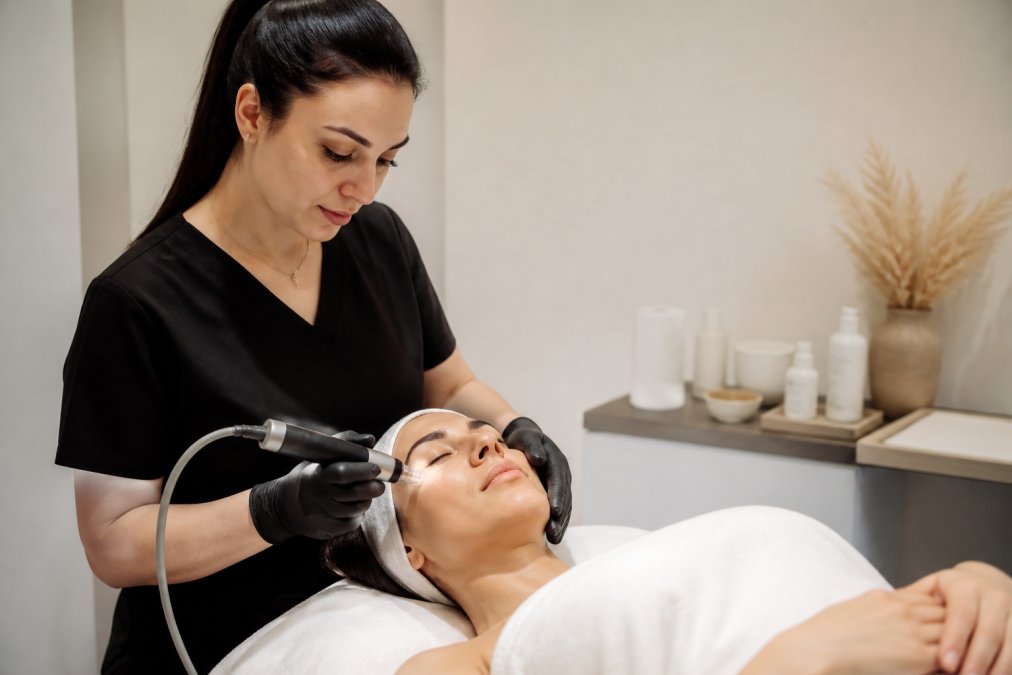
Table of Contents
- What Makes a Skin Rejuvenation Clinic Worth Your Time
- Evidence-Based Skin Rejuvenation Treatments: What the Research Shows
- How to Verify Aesthetic Practitioner Credentials and Safety Standards
- The Aesthetic Clinic Consultation Checklist: What to Ask Before Booking
- Comparing Clinic Approaches: Single-Treatment vs Multi-Modal Protocols
- Real Results: What Clients Actually Experience
- Choosing the Right Clinic for Your Skin Concerns
- Frequently Asked Questions
Last Updated: September 21, 2026
What Makes a Skin Rejuvenation Clinic Worth Your Time
The global skin rejuvenation market is valued at $2.36 billion in 2026, with an expected growth rate of 9.1% through 2035, according to Business Research Insights market analysis. This surge reflects a fundamental shift in how people approach skincare, moving away from one-off treatments toward comprehensive, evidence-based protocols that deliver lasting results.
But not all skin rejuvenation clinics are created equal. The difference between a clinic that transforms your skin and one that leaves you disappointed often comes down to three factors: clinical expertise, treatment philosophy, and honest assessment of what your skin actually needs.
The wrong clinic can waste your time and money. The right one, one that combines evidence-based treatments with genuine clinical knowledge, changes everything. Here's what separates a clinic worth booking from one you should skip.
Evidence-Based Skin Rejuvenation Treatments: What the Research Shows
Effective skin rejuvenation isn't about chasing the latest trend. It's about understanding which treatments actually work, backed by clinical evidence.
A comprehensive review published in PubMed Central research on surgical and non-surgical facial aesthetics examined how both surgical and non-surgical procedures influence facial aesthetics and anti-ageing outcomes. The findings are clear: non-surgical approaches, when properly executed, deliver measurable improvements in skin texture, elasticity, and appearance without the downtime or risks associated with invasive procedures.
The most effective clinics today don't rely on single treatments. Instead, they use multi-modal protocols that combine complementary therapies. Research from the Journal of Aesthetic Care study on multi-layer skin rejuvenation found that combining non-crosslinked hyaluronic acid with hydro-exfoliation and infrared therapy produced superior results compared to any single treatment alone. This approach addresses multiple layers of skin damage simultaneously, hydration, surface texture, and deeper collagen stimulation.
One emerging treatment gaining significant traction is Polynucleotide (PN) therapy, derived from salmon DNA. Interest in this treatment has grown by 93,800% according to Iconic Laser's 2026 analysis of skin rejuvenation trends, as practitioners recognise its ability to activate cellular repair mechanisms and stimulate natural regeneration. The advantage: results deepen over time as your skin continues to improve weeks after treatment.
How to Verify Aesthetic Practitioner Credentials and Safety Standards
Before booking any treatment, you need to know who's performing it and whether they're actually qualified to do so.
The aesthetic industry in the UK operates under strict regulatory frameworks. Practitioners administering injectables, performing laser treatments, or using medical-grade devices must hold appropriate qualifications and work within legal boundaries. Verify that your chosen clinic displays clear evidence of:
- Practitioner qualifications in aesthetic medicine or dermatology
- CE and UKCA certification for all equipment used
- Professional indemnity insurance
- Membership in recognised aesthetic bodies
- Transparent policies on adverse event management
A clinic founded by a practitioner with a clinical care background, rather than a purely commercial one, often signals a deeper commitment to safety and outcomes. Glow with Fatima, for example, was established by a practitioner with clinical experience, which informs every treatment decision and protocol design.
Ask specific questions during consultation: How many treatments have you performed? What's your complication rate? How do you handle adverse reactions? A practitioner who answers these directly, without defensive language, is one worth trusting.
The Aesthetic Clinic Consultation Checklist: What to Ask Before Booking
Your consultation is your opportunity to assess whether a clinic truly understands your skin and has a realistic plan to address your concerns.
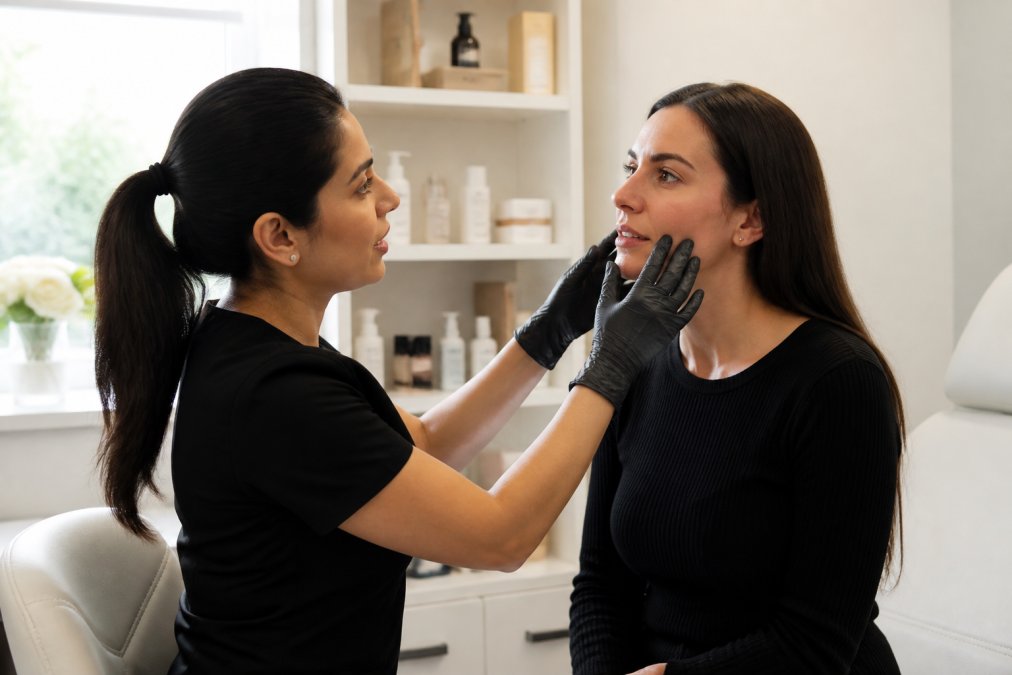
A thorough consultation should feel like a genuine assessment, not a sales pitch. The best clinics spend time understanding your goals, medical history, and lifestyle before recommending treatment. Here's what to evaluate:
Assessment Quality: Does the practitioner analyse your skin thoroughly? A proper skin assessment takes 15-20 minutes minimum. They should examine skin texture, elasticity, pigmentation, hydration levels, and underlying concerns like dark circles or scarring. Generic observations ("Your skin looks tired") are red flags.
Realistic Expectations: Does the clinic set honest expectations about results? Legitimate clinics acknowledge that some concerns require multiple sessions. If a practitioner promises dramatic results from a single treatment, question that claim. Skin regeneration takes time, typically 4-8 weeks to see meaningful changes, with continued improvement over months.
Customisation: Is the treatment plan tailored to you, or is it a standard package for everyone? Your specific concerns, whether postpartum skin changes, acne scarring, or preventative prejuvenation, require different approaches. A clinic offering bespoke protocols, like Glow with Fatima's 3-session rejuvenation plans, demonstrates commitment to individual outcomes rather than one-size-fits-all solutions.
Safety Discussion: Does the practitioner discuss potential side effects and contraindications? Responsible clinics explain what might happen during and after treatment, including temporary redness, swelling, or sensitivity. They'll also ask about medications, allergies, and skin conditions that might affect suitability.
Cost Transparency: Are costs clearly explained upfront? Avoid clinics that quote vague prices or pressure you into package deals during consultation. Legitimate clinics provide detailed breakdowns and allow you time to decide.
| Consultation Element | What to Look For | Red Flag |
|---|---|---|
| Skin Analysis | 15+ minutes, thorough examination | Rushed assessment, generic comments |
| Treatment Plan | Customised protocol, multiple options | One-size-fits-all recommendation |
| Timeline | Realistic timeframe for results | Promises dramatic change in one session |
| Safety Discussion | Clear explanation of risks and aftercare | Minimises or avoids discussing side effects |
| Pricing | Transparent, itemised costs | Vague pricing, high-pressure sales |
| Qualifications | Verifiable credentials displayed | Evasive or unclear about experience |
Comparing Clinic Approaches: Single-Treatment vs Multi-Modal Protocols
Not all skin concerns respond equally to a single treatment. Understanding the difference between clinics offering isolated therapies versus integrated protocols can determine whether you see real improvement or disappointing results.
Single-treatment clinics typically specialise in one modality, laser resurfacing, injectables, or microneedling, and apply it broadly across different skin types and concerns. This approach has clear limitations. Research suggests that standalone treatments may be less effective than multi-modal approaches, particularly for complex concerns like acne scarring, post-partum skin laxity, or advanced ageing.
Multi-modal clinics, by contrast, combine complementary treatments in a structured protocol. A client with post-partum skin changes, for example, might benefit from hydro-exfoliation to address texture, hyaluronic acid infusion for hydration, and infrared therapy to stimulate collagen, delivered across multiple sessions in a coordinated sequence. Each treatment prepares the skin for the next, amplifying overall results.
Glow with Fatima's 3-session protocol exemplifies the multi-modal approach: each session builds on the previous one, with treatment selection based on your skin's specific response and evolving needs. This requires more clinical judgment than applying the same treatment to every client, but the results justify the investment.
Real Results: What Clients Actually Experience
Results matter more than marketing claims. Understanding what actually happens during and after treatment helps you set realistic expectations and recognise genuine improvement.
During Treatment: Most rejuvenation treatments are uncomfortable but not painful. You'll feel pressure, mild heat, or vibration depending on the modality. The session itself typically takes 30-60 minutes depending on the treatment area.
Immediate Aftermath: Expect temporary redness and mild swelling, particularly with microneedling or laser treatments. This typically subsides within 24-48 hours. Your skin may feel slightly tight or sensitive, this is normal and indicates the treatment has stimulated a healing response.
Week 1-2: This is when you might notice mild flaking or peeling as your skin sheds damaged surface layers. Hydration becomes critical, use gentle cleansing and quality moisturisers.
Week 4-8: Meaningful changes emerge as collagen remodelling occurs beneath the surface.
Choosing the Right Clinic for Your Skin Concerns
Your skin concern determines which clinic approach serves you best.
Frequently Asked Questions
What qualifications should I look for in an aesthetic practitioner?
Look for practitioners with clinical care backgrounds, relevant aesthetic or dermatology training, and professional memberships. Verify they use CE and UKCA-certified medical-grade equipment. Ask about their specific training in the treatments they offer and how many procedures they've performed. A practitioner with clinical credentials provides greater assurance of safety and results than someone with only beauty industry experience.
How do evidence-based skin rejuvenation treatments differ from standard facials?
Evidence-based treatments use clinically proven protocols backed by peer-reviewed research, such as multi-modal approaches combining non-crosslinked hyaluronic acid with hydro-exfoliation and infrared therapy. Standard facials typically focus on surface cleansing and hydration. Clinical treatments stimulate collagen and elastin production at deeper skin layers, delivering measurable results for fine lines, texture, and scarring, not just temporary hydration.
What should I ask during an aesthetic clinic consultation?
Ask about the practitioner's qualifications, the specific equipment used and its certifications, how many sessions the recommended protocol requires, expected results timelines, and safety protocols. Request before-and-after photos from similar skin concerns. Discuss realistic outcomes for your specific issue, whether dark circles, acne scarring, or fine lines. A reputable clinic will provide transparent answers and never guarantee results or pressure you into immediate booking.
Is a multi-session protocol really necessary, or can single treatments work?
Research shows multi-modal protocols combining multiple treatment modalities deliver superior results compared to isolated single treatments. A 3-session protocol allows cumulative collagen stimulation and cellular repair, with results deepening after each session. Single treatments may provide temporary improvement but rarely address underlying skin concerns comprehensively. Your practitioner should explain why a specific protocol duration suits your skin type and concern.
How do I know if a skin clinic is safe and regulated?
Verify that the clinic uses only CE and UKCA-certified medical-grade equipment. Ask about their infection control and hygiene protocols. Check whether the practitioner holds professional indemnity insurance and belongs to recognised aesthetic bodies. Request evidence of their training credentials. A safe clinic will openly share this information and never pressure you to proceed without proper assessment.
Your questions, answered
What qualifications should I look for in an aesthetic practitioner?
Look for practitioners with clinical care backgrounds, relevant aesthetic or dermatology training, and professional memberships. Verify they use CE and UKCA-certified medical-grade equipment. Ask about their specific training in the treatments they offer and how many procedures they've performed. A practitioner with clinical credentials provides greater assurance of safety and results than someone with only beauty industry experience.
How do evidence-based skin rejuvenation treatments differ from standard facials?
Evidence-based treatments use clinically proven protocols backed by peer-reviewed research, such as multi-modal approaches combining non-crosslinked hyaluronic acid with hydro-exfoliation and infrared therapy. Standard facials typically focus on surface cleansing and hydration. Clinical treatments stimulate collagen and elastin production at deeper skin layers, delivering measurable results for fine lines, texture, and scarring—not just temporary hydration.
What should I ask during an aesthetic clinic consultation?
Ask about the practitioner's qualifications, the specific equipment used and its certifications, how many sessions the recommended protocol requires, expected results timelines, and safety protocols. Request before-and-after photos from similar skin concerns. Discuss realistic outcomes for your specific issue—whether dark circles, acne scarring, or fine lines. A reputable clinic will provide transparent answers and never guarantee results or pressure you into immediate booking.
Is a multi-session protocol really necessary, or can single treatments work?
Research shows multi-modal protocols combining multiple treatment modalities deliver superior results compared to isolated single treatments. A 3-session protocol allows cumulative collagen stimulation and cellular repair, with results deepening after each session. Single treatments may provide temporary improvement but rarely address underlying skin concerns comprehensively. Your practitioner should explain why a specific protocol duration suits your skin type and concern.
How do I know if a skin clinic is safe and regulated?
Verify that the clinic uses only CE and UKCA-certified medical-grade equipment. Ask about their infection control and hygiene protocols. Check whether the practitioner holds professional indemnity insurance and belongs to recognised aesthetic bodies. Request evidence of their training credentials. A safe clinic will openly share this information and never pressure you to proceed without proper assessment.