listicle
Alternatives to Laser Treatment for Acne Scars
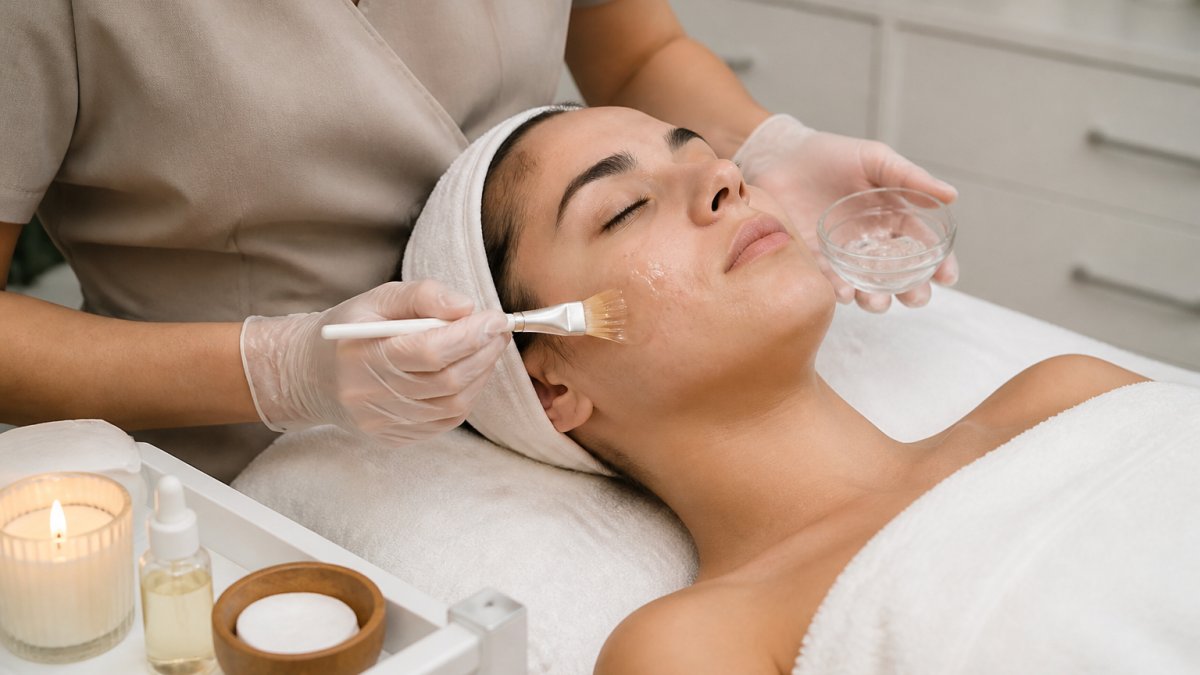
Table of Contents
- Why Alternatives to Laser Treatment Matter
- Microneedling for Acne Scars: Collagen Induction Therapy
- Dermal Fillers for Pitted Scars: Immediate Volume Restoration
- Chemical Peels and Dermabrasion: Mechanical Resurfacing
- Surgical Alternatives: Subcision and Punch Excision
- How Long Do Acne Scar Treatments Take to Work
- Choosing the Right Alternative for Your Scars
- Frequently Asked Questions
Last Updated: October 2, 2026
Why Alternatives to Laser Treatment Matter
Laser therapy dominates conversations about acne scars. It's the name everyone knows. But here's what most people don't realise: laser isn't always the best choice, and it's certainly not the only one that works.
The reality is more nuanced. Laser treatments require downtime, can be expensive, and don't suit every skin type or scar pattern. Some patients find the intensity overwhelming. Others see modest results despite significant recovery periods. That's precisely why alternatives to laser treatment for acne scars have become increasingly relevant in clinical practice.
According to Frontiers in Medicine clinical analysis, 75% of patients show significant scar volume reduction after picosecond laser treatment. That's impressive, but it also means one in four patients doesn't achieve meaningful improvement. For those individuals, and for many others who prefer non-invasive options or have contraindications, alternatives to laser treatment offer genuine pathways to smoother, more confident skin.
The evidence is clear: the best treatment isn't always the most aggressive one. It's the one matched to your specific scar architecture, skin tone, and tolerance for downtime.
Below, we'll walk through the most effective alternatives to laser treatment for acne scars, what each one actually does, and how to know which might be right for you.
Microneedling for Acne Scars: Collagen Induction Therapy
Microneedling works by triggering your skin's natural repair response. Fine needles create controlled micro-injuries, which sounds counterintuitive until you understand the mechanism: these tiny wounds stimulate collagen and elastin production at depth, gradually filling depressed scars from the inside out.
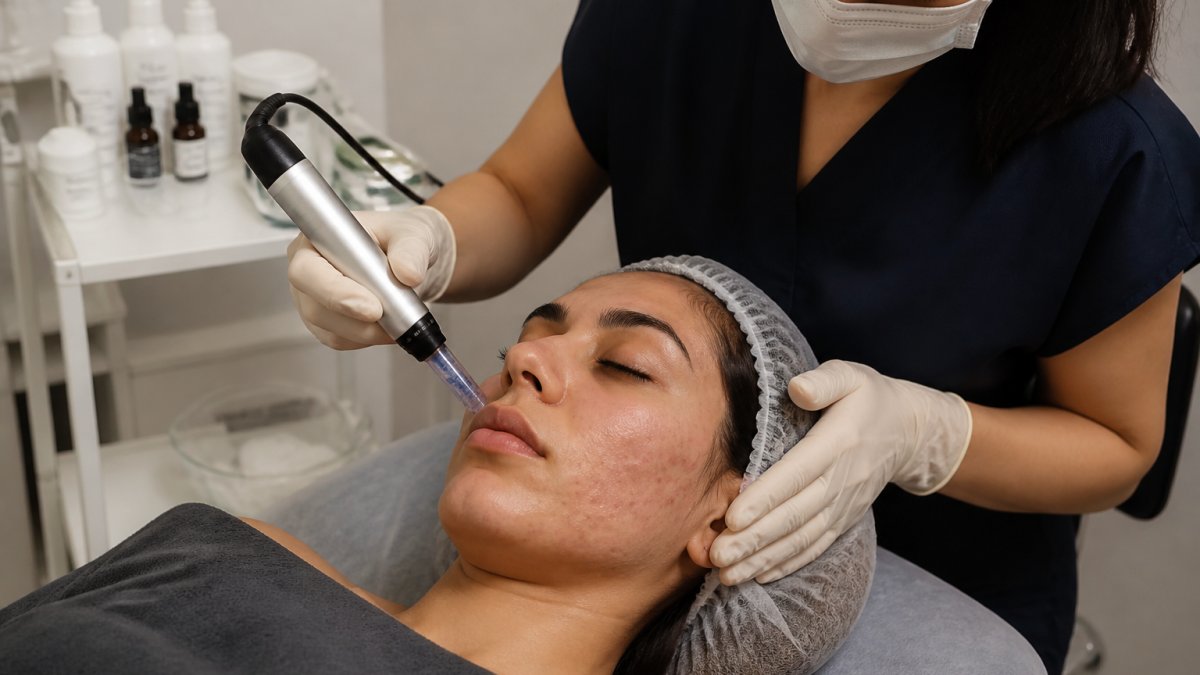
This approach is particularly effective for rolling and boxcar scars, the most common types. A randomised split-face clinical study published in the Journal of Cutaneous and Aesthetic Surgery compared fractional erbium laser to microneedling and found both modalities delivered measurable efficacy for atrophic acne scars. The key advantage of microneedling is minimal downtime. Most patients experience mild redness for 24-48 hours, then return to normal activities.
Best for: Mild to moderate rolling or boxcar scars, patients who cannot tolerate downtime, those seeking a gentler entry point into clinical scar treatment.
Pros:
- Minimal recovery period
- Suitable for most skin tones
- More affordable than laser resurfacing
- Works synergistically with other treatments
Cons:
- Requires multiple sessions for visible results
- Slower timeline than ablative procedures
- May not be effective for severe ice-pick scars
Dermal Fillers for Pitted Scars: Immediate Volume Restoration
Dermal fillers take a different approach entirely. Instead of stimulating your skin to heal itself, they physically restore volume beneath depressed scars, levelling the skin surface. The most common option is hyaluronic acid, a biocompatible substance your body naturally produces.
Results are immediate, you'll see improvement within minutes of injection. This makes fillers ideal for patients with important events coming up or those who want to assess their scar appearance before committing to longer-term procedures.
The trade-off is permanence. Hyaluronic acid fillers typically last 6-18 months, depending on metabolism and filler formulation. You'll need repeat treatments to maintain results.
Best for: Deep, individual atrophic scars; patients wanting immediate results; those seeking a reversible option.
Pros:
- Instant visible improvement
- Reversible if needed
- Minimal downtime
- Biocompatible option available
Cons:
- Temporary results requiring maintenance
- Risk of overfilling or unnatural appearance
- Costs accumulate with repeat treatments
Chemical Peels and Dermabrasion: Mechanical Resurfacing
Chemical peels and dermabrasion represent older technologies that remain clinically effective. A chemical peel uses an acid solution, typically trichloroacetic acid (TCA) or glycolic acid, to remove damaged skin layers and stimulate regeneration. Dermabrasion uses a high-speed rotating instrument to mechanically sand the skin surface.
Research published in Journal of Clinical and Aesthetic Dermatology found that diamond-fraise dermabrasion delivered equivalent improvement to fractional CO2 laser for atrophic acne scars. This is significant: you can achieve laser-comparable results with a lower-tech, often more affordable approach.
These treatments excel at improving superficial scarring and post-inflammatory hyperpigmentation. They're particularly useful when acne scars are accompanied by uneven skin tone or texture issues.
Recovery depends on depth. Superficial peels require minimal downtime, perhaps a day of mild redness. Deeper treatments demand 1-2 weeks of healing, with strict sun protection essential throughout.
Best for: Superficial scarring, post-inflammatory marks, patients prioritising cost-effectiveness, those wanting to improve overall complexion brightness.
Pros:
- Cost-effective compared to light-based therapies
- Improves overall skin tone and texture
- Available in varying strengths
- Proven track record over decades
Cons:
- Requires strict post-treatment sun protection
- Deeper peels demand significant downtime
- Less effective for deep, structural scars
Surgical Alternatives: Subcision and Punch Excision
When scars are deep and bound down to underlying tissue, surgical intervention becomes relevant. Subcision and punch excision represent two distinct surgical approaches, each suited to different scar architectures.
Subcision involves inserting a needle beneath the scar to break fibrous bands tethering it to deeper tissue. This releases the scar, allowing it to elevate and remodel naturally. The procedure is performed under local anaesthetic and causes minimal visible trauma. Recovery is straightforward, mild bruising and swelling resolve within a week.
Punch excision physically removes deep, narrow ice-pick scars by cutting them out and suturing the wound. This replaces a deep, narrow scar with a smaller, flatter surgical line. It's highly precise and permanent for the specific scars treated.
Both procedures work best when combined with other modalities. Subcision followed by microneedling or filler creates synergistic improvement.
Best for: Deep, tethered rolling scars (subcision); narrow ice-pick scars resistant to other methods (punch excision).
Pros:
- Addresses root cause of tethered scarring
- Permanent improvement for treated scars
- Often produces dramatic results
- Complements other treatments
Cons:
- Risk of bruising and swelling
- Requires local anaesthetic
- Punch excision leaves a small linear scar
- Not suitable for widespread scarring
How Long Do Acne Scar Treatments Take to Work
Timeline varies dramatically depending on the treatment chosen. Understanding realistic expectations prevents disappointment and helps you plan your skin journey properly.
Choosing the Right Alternative for Your Scars
| Treatment | Best For | Timeline | Downtime | Cost Range |
|---|---|---|---|---|
| Microneedling | Rolling/boxcar scars | 3-6 months | Minimal (24-48 hrs) | £150-300/session |
| Dermal fillers | Deep individual scars | Immediate | None | £250+/syringe |
| Chemical peels | Superficial scarring | 4-8 weeks | 1-7 days | £80-200/session |
| Dermabrasion | Uneven texture | 4-12 weeks | 1-2 weeks | £500+/session |
| Subcision | Tethered scars | 2-6 months | 1 week | £300+/area |
| Punch excision | Ice-pick scars | 6-12 months | 1-2 weeks | £350+/scar |
Choosing requires honest assessment of three factors: your scar type, your skin tolerance, and your timeline.
Frequently Asked Questions
Can acne scars be removed without laser treatment?
Yes. Multiple alternatives to laser treatment deliver measurable results for acne scarring. Microneedling triggers natural collagen production and suits mild to moderate rolling or boxcar scars. Dermal fillers provide immediate volume restoration for depressed scars, lasting six to eighteen months. Chemical peels address superficial scarring and discolouration. For deeper, tethered scars, subcision or punch excision offer permanent improvement. The best choice depends on scar type, depth, and your skin tone, factors a clinical practitioner can assess during a consultation.
What is the most effective non-laser treatment for deep acne scars?
Subcision and punch excision are the most effective surgical alternatives for deep scars. Subcision releases fibrous bands tethering scars to underlying tissue, encouraging sub-dermal collagen remodelling and producing permanent improvement. Punch excision physically removes deep, narrow ice-pick scars by cutting them out and suturing the skin, replacing the scar with a smaller, flatter line. Both are performed under local anaesthetic. For less invasive approaches, combining microneedling with platelet-rich plasma (PRP) therapy enhances collagen production and healing speed, though results develop over multiple sessions.
How long do acne scar treatments take to work?
Timeline varies by treatment type. Dermal fillers show immediate results, though they require repeat treatments every six to eighteen months. Microneedling requires three to six sessions spaced four to six weeks apart, with visible improvement emerging after the second or third session as collagen remodels. Chemical peels show surface improvements within one to two weeks but benefit from multiple treatments for deeper texture changes. Subcision and punch excision produce permanent results, though final scar remodelling continues for three to six months post-procedure. Combination therapies, such as microneedling with PRP, may accelerate results by enhancing the skin's natural healing response.
Are chemical peels effective for acne scarring?
Chemical peels work best for superficial acne scarring and post-inflammatory hyperpigmentation rather than deep, depressed scars. They exfoliate damaged skin layers and stimulate new cell growth, improving overall skin tone and surface texture. Available in varying strengths, superficial, medium, and deep, peels suit different scar severities. Results appear within one to two weeks, though a course of treatments enhances outcomes. They require strict sun protection post-treatment. For moderate to severe atrophic scarring, combining chemical peels with microneedling or fillers often yields superior results than peels alone.
Is subcision a viable alternative to laser resurfacing?
Yes. Subcision directly addresses the root cause of tethered, rolling scars by breaking up fibrous bands that anchor scars to deeper tissue. This encourages sub-dermal collagen remodelling and produces permanent improvement, a significant advantage over temporary treatments. Performed under local anaesthetic, subcision carries minimal risk of bruising and swelling post-procedure. It works particularly well for rolling scars that improve with skin stretching. Many practitioners combine subcision with microneedling or fillers to address multiple scar types simultaneously, achieving more comprehensive texture improvement than subcision alone.
Your questions, answered
Can acne scars be removed without laser treatment?
Yes. Multiple alternatives to laser treatment deliver measurable results for acne scarring. Microneedling triggers natural collagen production and suits mild to moderate rolling or boxcar scars. Dermal fillers provide immediate volume restoration for depressed scars, lasting six to eighteen months. Chemical peels address superficial scarring and discolouration. For deeper, tethered scars, subcision or punch excision offer permanent improvement. The best choice depends on scar type, depth, and your skin tone—factors a clinical practitioner can assess during a consultation.
What is the most effective non-laser treatment for deep acne scars?
Subcision and punch excision are the most effective surgical alternatives for deep scars. Subcision releases fibrous bands tethering scars to underlying tissue, encouraging sub-dermal collagen remodelling and producing permanent improvement. Punch excision physically removes deep, narrow ice-pick scars by cutting them out and suturing the skin, replacing the scar with a smaller, flatter line. Both are performed under local anaesthetic. For less invasive approaches, combining microneedling with platelet-rich plasma (PRP) therapy enhances collagen production and healing speed, though results develop over multiple sessions.
How long do acne scar treatments take to work?
Timeline varies by treatment type. Dermal fillers show immediate results, though they require repeat treatments every six to eighteen months. Microneedling requires three to six sessions spaced four to six weeks apart, with visible improvement emerging after the second or third session as collagen remodels. Chemical peels show surface improvements within one to two weeks but benefit from multiple treatments for deeper texture changes. Subcision and punch excision produce permanent results, though final scar remodelling continues for three to six months post-procedure. Combination therapies, such as microneedling with PRP, may accelerate results by enhancing the skin's natural healing response.
Are chemical peels effective for acne scarring?
Chemical peels work best for superficial acne scarring and post-inflammatory hyperpigmentation rather than deep, depressed scars. They exfoliate damaged skin layers and stimulate new cell growth, improving overall skin tone and surface texture. Available in varying strengths—superficial, medium, and deep—peels suit different scar severities. Results appear within one to two weeks, though a course of treatments enhances outcomes. They require strict sun protection post-treatment. For moderate to severe atrophic scarring, combining chemical peels with microneedling or fillers often yields superior results than peels alone.
Is subcision a viable alternative to laser resurfacing?
Yes. Subcision directly addresses the root cause of tethered, rolling scars by breaking up fibrous bands that anchor scars to deeper tissue. This encourages sub-dermal collagen remodelling and produces permanent improvement—a significant advantage over temporary treatments. Performed under local anaesthetic, subcision carries minimal risk of bruising and swelling post-procedure. It works particularly well for rolling scars that improve with skin stretching. Many practitioners combine subcision with microneedling or fillers to address multiple scar types simultaneously, achieving more comprehensive texture improvement than subcision alone.