ultimate-guide
Best Facial Treatments for 60-Year-Olds: A 2026 Guide
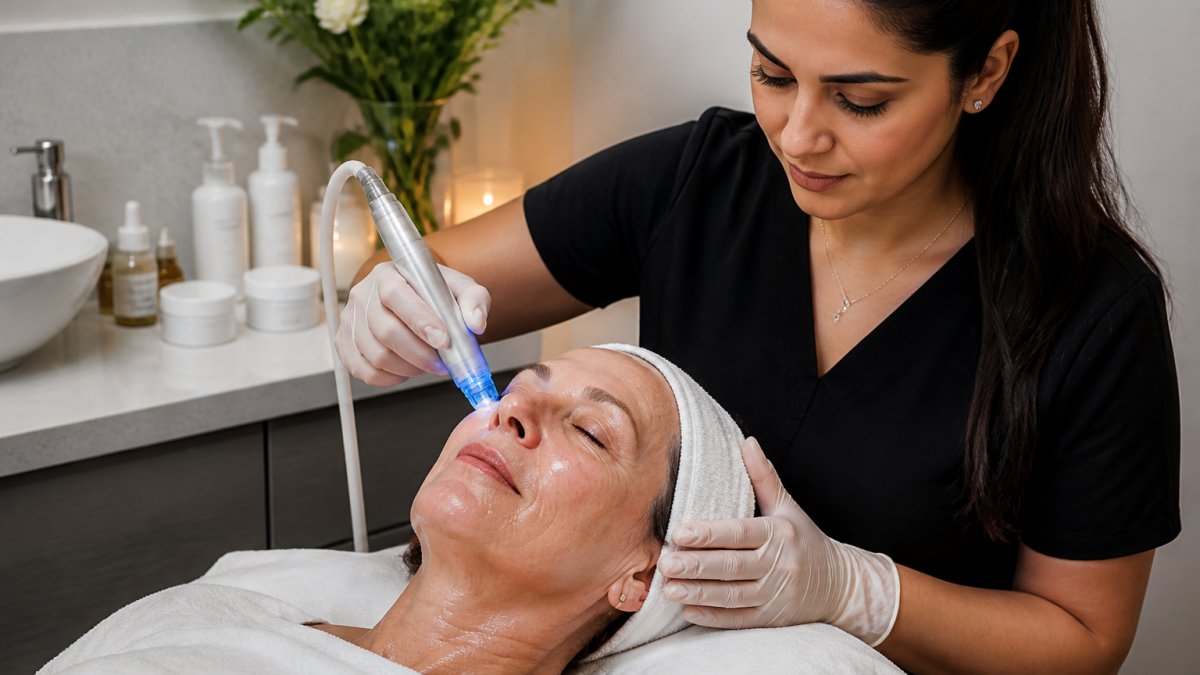
Table of Contents
- Understanding Skin Changes at 60 and Treatment Goals
- Comparison of Top Facial Treatments for Mature Skin
- Microneedling for Mature Skin: Stimulating Natural Collagen
- Chemical Peels for Mature Skin: Targeted Surface Renewal
- Non-Surgical Facial Rejuvenation: Beyond Traditional Options
- Which Treatment Should You Choose? A Decision Framework
- What to Expect: Safety, Results, and the 3-Session Protocol
- Frequently Asked Questions
Last Updated: October 6, 2026
Understanding Skin Changes at 60 and Treatment Goals
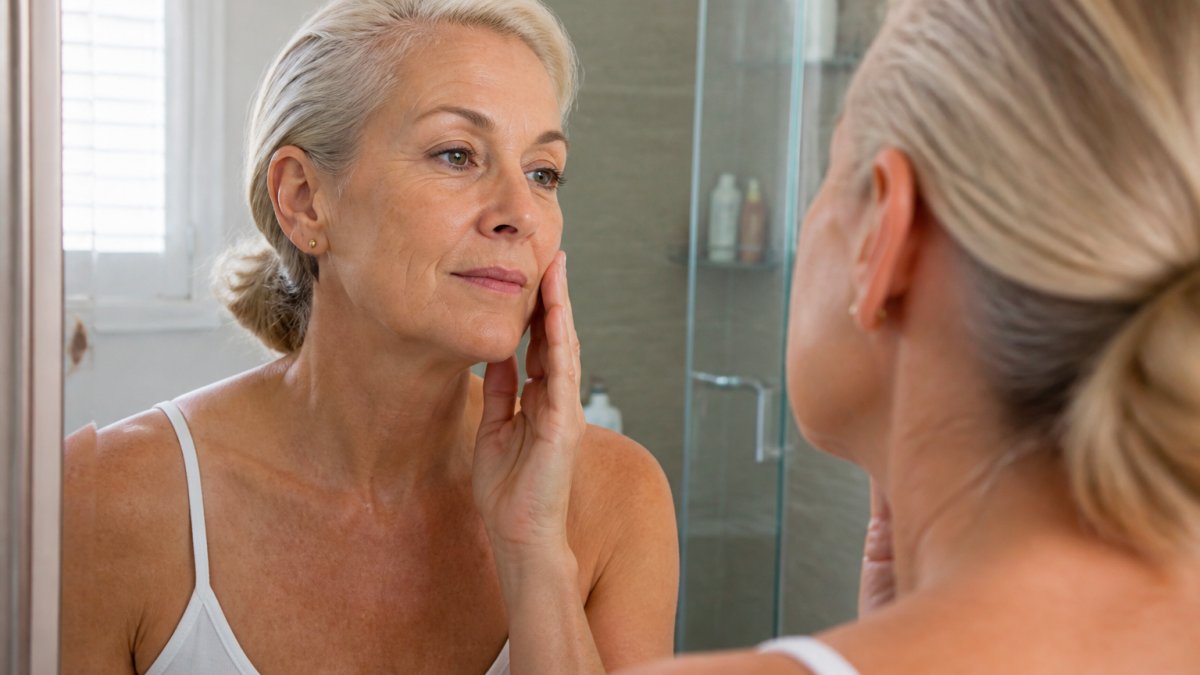
Skin at 60 tells a story. It's lived through decades of sun exposure, environmental stress, and the natural breakdown of collagen and elastin that happens to everyone. Fine lines deepen into wrinkles. Texture becomes uneven. Dark circles settle in under the eyes.
The good news? There's no single "best" facial treatment for 60-year-olds because skin concerns at this stage vary widely. What works brilliantly for deep wrinkles might not address pigmentation. What targets texture won't necessarily restore elasticity.
At Glow with Fatima, we work with clients facing exactly these decisions. The treatments that deliver real results for mature skin fall into a few distinct categories, each addressing different ageing markers. Some stimulate your skin's own collagen production.
Understanding what's actually happening in your skin helps you choose wisely. Collagen production drops roughly 1% per year after age 30, accelerating after 50. Elastin fibres break down. The skin barrier weakens. Sun damage accumulated over decades surfaces as age spots and rough texture.
Comparison of Top Facial Treatments for Mature Skin
Several facial treatments for 60-year-olds have become trusted options for those seeking visible improvement. Each works through a different mechanism, and each has specific strengths.
Microneedling uses controlled micro-injuries to trigger your body's natural healing response, stimulating collagen and elastin production. It's particularly effective for texture, fine lines, and skin laxity, common concerns at 60.
Chemical peels dissolve the outer layer of skin to reveal fresher, smoother skin beneath. They're excellent for surface concerns like age spots, rough texture, and mild wrinkles.
Laser resurfacing uses focused light energy to remove damaged skin and stimulate deeper collagen remodelling. Fractional lasers are gentler than older technology, making them suitable for mature skin.
Radiofrequency treatments use heat energy to tighten skin and stimulate collagen without removing any skin. They're non-invasive and work well for elasticity and mild sagging.
Ultrasound therapy (like Ultherapy) lifts and tightens deeper skin layers without needles or downtime. It's popular for jawline definition and under-chin tightening.
The choice between these depends on your specific goals, skin type, and tolerance for downtime.
How We Evaluated These Treatments
We assessed each treatment based on clinical evidence, suitability for mature skin, realistic results timelines, and safety profile. Treatments that deliver results for fine lines might not address elasticity, so we considered what each actually does, not marketing claims.
Research from Advances in Anti-ageing Procedures: A Comprehensive Review identifies chemical peels as cost-effective for superficial rejuvenation and highlights their ability to target acne scars. The same review notes that microneedling stimulates natural collagen production, making it valuable for texture and elasticity concerns.
Importantly, Johns Hopkins Medicine and the American Society of Plastic Surgeons emphasise that there's no single treatment that's universally "best." Instead, treatment selection should match the specific concern being addressed, whether that's fine lines, wrinkles, age spots, or skin laxity.
| Treatment | Primary Benefit | Best For | Downtime |
|---|---|---|---|
| Microneedling | Collagen stimulation | Texture, fine lines, elasticity | 24-48 hours |
| Chemical Peels | Surface renewal | Age spots, rough texture, mild wrinkles | 3-7 days |
| Fractional Laser | Collagen remodelling | Fine lines, wrinkles, pigmentation | 5-7 days |
| Radiofrequency | Skin tightening | Elasticity, mild sagging | Minimal to none |
| Ultrasound | Deep lifting | Jawline, under-chin, elasticity | Minimal |
Microneedling for Mature Skin: Stimulating Natural Collagen
Microneedling works by creating controlled micro-injuries that trigger your body's wound-healing response, flooding the area with growth factors and stimulating collagen and elastin production. For mature skin at 60, this mechanism addresses several concerns simultaneously: fine lines soften, texture improves, skin feels firmer, and dark circles often fade as circulation increases.
The treatment is particularly effective for skin laxity, that loss of firmness many experience at 60. Because it stimulates your own collagen production rather than adding something external, results develop gradually and feel natural. Many clients describe a progressive improvement over weeks, with skin looking fresher and more radiant with each passing month.
Glow with Fatima uses the Raffine medical-grade microneedling system, a CE and UKCA-certified device designed for clinical precision. The equipment allows controlled depth adjustment, which is crucial for mature skin that requires gentler handling than younger skin. The 3-session protocol is designed to build collagen progressively without overwhelming the skin's healing capacity.
Results typically appear within 2-3 weeks of the first session, with the most dramatic improvements visible after the full series. Fine lines soften noticeably. Texture becomes smoother. Skin elasticity improves. Dark circles lighten as blood flow increases. Because results build gradually, you avoid the "overdone" appearance some fear with aesthetic treatments, the glow deepens naturally with each session.
Chemical Peels for Mature Skin: Targeted Surface Renewal
Chemical peels dissolve the outermost layers of skin, revealing fresher, smoother skin underneath. For 60-year-olds, peels excel at addressing surface concerns: age spots, rough texture, dull complexion, and mild wrinkles.
The depth of the peel determines results and downtime. Light peels require minimal recovery but produce subtle improvements. Medium peels create more noticeable results, age spots fade, texture smooths significantly, but involve 3-7 days of visible peeling. Deep peels produce dramatic results but are rarely recommended for mature skin due to recovery demands and potential complications.
For most 60-year-olds seeking improvement without significant downtime, medium peels offer the best balance. Research confirms that chemical peels effectively target the surface concerns common at this age, particularly when addressing pigmentation irregularities and texture.
The visible peeling phase, where skin sheds in flakes, typically lasts 3-5 days after a medium peel. This isn't damage; it's the treatment working. Underneath, newer, smoother skin emerges. Many clients find this phase reassuring because they can literally see the old, damaged skin leaving.
Non-Surgical Facial Rejuvenation: Beyond Traditional Options
Radiofrequency and ultrasound treatments represent a shift in how mature skin can be tightened without surgery or significant downtime. Both work by stimulating collagen deep within the skin without removing any tissue.
Radiofrequency uses controlled heat to tighten existing collagen fibres and trigger new collagen production. It's particularly effective for mild to moderate sagging and loss of definition. Results appear gradually over 2-3 months as collagen remodels. There's minimal downtime, skin might be slightly pink for a few hours, making it ideal for those with limited recovery time.
Ultrasound therapy (Ultherapy) uses focused ultrasound energy to lift and tighten deeper skin layers. It's especially popular for jawline definition, under-chin tightening, and brow lift. Like radiofrequency, results develop over weeks as collagen responds to the treatment stimulus.
Both approaches suit 60-year-olds who want improvement without needles, peeling, or significant downtime. The trade-off is that results are more subtle than invasive treatments, you won't see dramatic change, but you'll notice skin looks more defined and lifted.
Which Treatment Should You Choose? A Decision Framework
Choosing the right treatment starts with identifying your primary concern. This single question matters more than anything else: what bothers you most about your skin right now?
If your answer is fine lines and wrinkles, microneedling or fractional laser resurfacing will deliver the most noticeable improvement. Microneedling builds results gradually through a series; laser works faster but requires more downtime.
If it's texture and age spots, a chemical peel addresses both effectively. The visible peeling phase is temporary, but results are dramatic.
If it's loss of elasticity and firmness, microneedling or radiofrequency are your best options. Microneedling requires a series; radiofrequency typically needs 1-3 sessions.
If it's dark circles and under-eye concerns, microneedling is particularly effective. The increased circulation and collagen stimulation specifically address the delicate under-eye area.
If it's overall dullness and you want subtle improvement with no downtime, radiofrequency or a light chemical peel works well.
Many 60-year-olds find that combining treatments addresses multiple concerns simultaneously. A chemical peel addresses texture and spots, whilst microneedling handles fine lines and elasticity. The combination approach often delivers better overall results than any single treatment alone.
What to Expect: Safety, Results, and the 3-Session Protocol
Professional aesthetic treatments are safe when performed correctly on appropriate candidates.
The 3-session protocol used at Glow with Fatima is designed specifically for mature skin.
Session 1 establishes baseline response. Your skin begins the healing cascade that triggers collagen production. You'll notice skin feels slightly tighter and more hydrated within days.
Session 2 (4-6 weeks later) builds on the collagen from Session 1. Results become more obvious. Fine lines soften noticeably. Texture smoothes. Skin looks fresher.
Session 3 (4-6 weeks after Session 2) completes the protocol. Collagen production peaks. Results stabilise. The glow you've been building throughout the series is now established and lasting.
Results continue improving for several weeks after the final session as collagen remodelling completes. Most clients report their best results 6-8 weeks after Session 3.
Maintenance varies by treatment. Microneedling results typically last 12-18 months, after which a single maintenance session refreshes results. Chemical peels might need repeating annually depending on sun exposure and skin goals.
Safety considerations for mature skin are straightforward: avoid treatments if you have active skin infections, severe rosacea, or certain medications that increase sun sensitivity. Your practitioner should discuss these during consultation.
At Glow with Fatima, we specialise in exactly this: matching evidence-based treatments to individual concerns, using medical-grade equipment like the Raffine system, and structuring a 3-session protocol that delivers lasting improvement. Whether your primary concern is fine lines, texture, elasticity, or dark circles, the right treatment exists, and the results speak for themselves. Book a free consultation to discuss which approach suits your skin and goals.
Frequently Asked Questions
What is the best facial treatment for a 60-year-old?
The best facial treatment depends on your specific skin concerns. Microneedling works well for texture and elasticity, chemical peels target pigmentation and surface smoothness, and non-surgical rejuvenation options address multiple concerns simultaneously. A practitioner should assess your skin to recommend the right treatment. Evidence-based approaches using CE and UKCA-certified equipment deliver the most reliable results for mature skin.
Can microneedling for mature skin really improve fine lines and dark circles?
Yes. Microneedling stimulates your body's natural collagen and elastin production, which addresses both fine lines and skin laxity common at 60. For targeted dark circle reduction, specialised under-eye protocols using medical-grade microneedling systems can deliver noticeable improvement. Results typically deepen with each session in a structured treatment plan.
Are chemical peels suitable for mature skin, or will they damage it?
Chemical peels are safe and effective for mature skin when performed by a qualified practitioner using appropriate concentrations. Research describes chemical peels as cost-effective for superficial rejuvenation and can target concerns like acne scars and texture. The key is matching the peel strength to your skin's tolerance and concerns, lighter peels suit sensitive mature skin, whilst stronger peels address deeper damage.
How long does it take to see results from facial treatments at 60?
Results vary by treatment type. Microneedling and chemical peels typically show visible improvement within 2-4 weeks as collagen rebuilds. A structured 3-session protocol delivers cumulative results that deepen with each appointment. Non-surgical rejuvenation treatments may show results within days to weeks. Consistency and professional guidance are essential for optimal outcomes.
Will non-surgical facial treatments make my skin look 'done' or unnatural?
Evidence-based treatments performed by experienced practitioners focus on restoring your natural radiance, not creating an artificial appearance. The goal is to enhance your skin's texture, elasticity, and glow whilst maintaining your natural features. A practitioner with a clinical care background will prioritise subtle, natural-looking results that build confidence rather than dramatically altering your appearance.
Are non-surgical facial treatments safe for older skin?
Yes, when performed using CE and UKCA-certified medical-grade equipment by qualified practitioners. Non-surgical options like microneedling and chemical peels have established safety profiles for mature skin. Your practitioner should conduct a thorough skin assessment, discuss any medical history, and tailor the treatment to your skin's specific needs to minimise risk and maximise results.
Your questions, answered
What is the best facial treatment for a 60-year-old?
The best facial treatment depends on your specific skin concerns. Microneedling works well for texture and elasticity, chemical peels target pigmentation and surface smoothness, and non-surgical rejuvenation options address multiple concerns simultaneously. A practitioner should assess your skin to recommend the right treatment. Evidence-based approaches using CE and UKCA-certified equipment deliver the most reliable results for mature skin.
Can microneedling for mature skin really improve fine lines and dark circles?
Yes. Microneedling stimulates your body's natural collagen and elastin production, which addresses both fine lines and skin laxity common at 60. For targeted dark circle reduction, specialised under-eye protocols using medical-grade microneedling systems can deliver noticeable improvement. Results typically deepen with each session in a structured treatment plan.
Are chemical peels suitable for mature skin, or will they damage it?
Chemical peels are safe and effective for mature skin when performed by a qualified practitioner using appropriate concentrations. Research describes chemical peels as cost-effective for superficial rejuvenation and can target concerns like acne scars and texture. The key is matching the peel strength to your skin's tolerance and concerns—lighter peels suit sensitive mature skin, whilst stronger peels address deeper damage.
How long does it take to see results from facial treatments at 60?
Results vary by treatment type. Microneedling and chemical peels typically show visible improvement within 2-4 weeks as collagen rebuilds. A structured 3-session protocol delivers cumulative results that deepen with each appointment. Non-surgical rejuvenation treatments may show results within days to weeks. Consistency and professional guidance are essential for optimal outcomes.
Will non-surgical facial treatments make my skin look 'done' or unnatural?
Evidence-based treatments performed by experienced practitioners focus on restoring your natural radiance, not creating an artificial appearance. The goal is to enhance your skin's texture, elasticity, and glow whilst maintaining your natural features. A practitioner with a clinical care background will prioritise subtle, natural-looking results that build confidence rather than dramatically altering your appearance.
Are non-surgical facial treatments safe for older skin?
Yes, when performed using CE and UKCA-certified medical-grade equipment by qualified practitioners. Non-surgical options like microneedling and chemical peels have established safety profiles for mature skin. Your practitioner should conduct a thorough skin assessment, discuss any medical history, and tailor the treatment to your skin's specific needs to minimise risk and maximise results.