ultimate-guide
Clinically Proven Treatments for Acne Scars
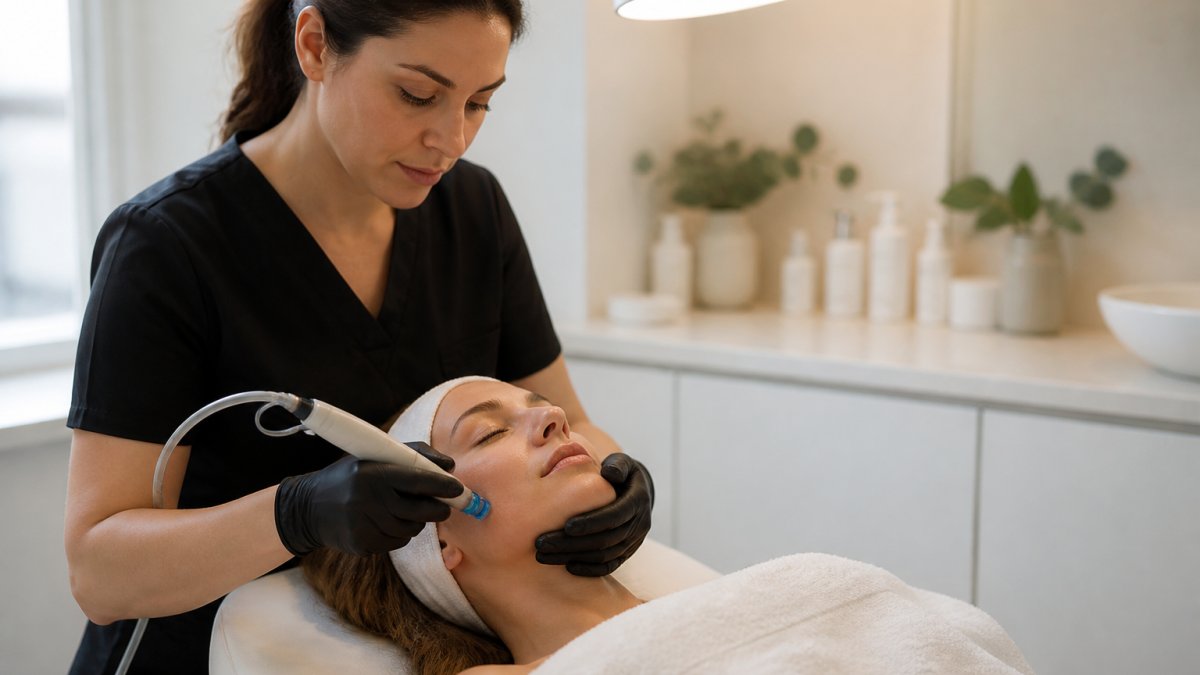
Table of Contents
- Understanding Acne Scars and Treatment Approaches
- Best Treatment for Acne Scars: A Scar-Type Framework
- Laser Treatment for Acne Scars: Evidence and Outcomes
- Microneedling for Acne Scars: Clinical Effectiveness
- Acne Scar Treatment Results and Recovery: What to Expect
- Combination Approaches and Emerging Protocols
- Choosing the Right Treatment for Your Skin
- Frequently Asked Questions
Last Updated: 10 October 2026
Understanding Acne Scars and Treatment Approaches
Acne scarring affects millions of people worldwide, and the good news is that clinically proven treatments for acne scars have advanced dramatically over the past five years. At Glow with Fatima, we help clients achieve lasting radiance and restored confidence through a deeply personal and professional approach. The key insight most people miss is that not all scars respond to the same treatment, which is why scar-type-specific approaches now dominate clinical practice.
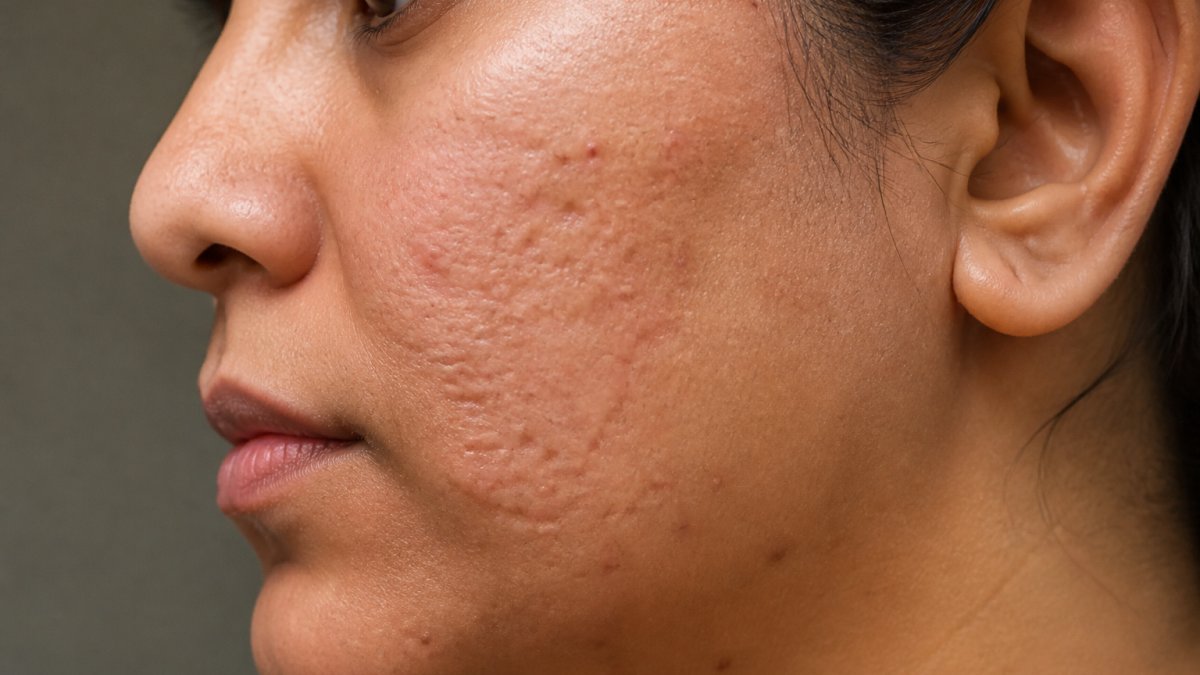
How scar type determines treatment selection
The effectiveness of any acne scar treatment depends entirely on understanding what you're treating. A 2025 review in Frontiers in Medicine documented that treatment selection is increasingly scar-type-specific rather than one-size-fits-all, with superficial options like glycolic and salicylic acids suited for minor surface damage, while deeper scars demand more intensive interventions.
This shift away from universal protocols marks a major change in dermatological practice. Where practitioners once applied the same laser to every scar, they now assess depth, width, and scar morphology before recommending a path forward. The clinical data supports this precision: matching treatment to scar type produces significantly better outcomes than generic approaches.
Best Treatment for Acne Scars: A Scar-Type Framework
The most effective clinically proven treatments for acne scars depend on which scar type you're addressing. Rolling scars, boxcar scars, and ice-pick scars each respond best to different interventions, and understanding this framework is essential before investing time and money in treatment.
Rolling scars
Rolling scars are the most common type, characterised by a wave-like depression across the skin's surface. According to research in the Journal of Clinical and Aesthetic Dermatology, microneedling has shown the greatest effectiveness for rolling scars when used as a single treatment, followed by boxcar and ice-pick scars.
For rolling scars specifically, fractional CO2 laser combined with topical treatments has emerged as a high-performing option. A 2022 review identified fractional CO2 laser monotherapy and fractional CO2 laser combined with 30% salicylic acid among the three highest-ranked treatments in its analysis. The downtime is real, expect 5-7 days of visible redness, but the collagen induction is substantial and measurable within 8-12 weeks.
Boxcar scars
Boxcar scars are sharply defined depressions with vertical walls, making them visually prominent but structurally different from rolling scars. These scars often require more aggressive intervention because the defined edges resist simple collagen induction. Subcision, a surgical technique that breaks the fibrous bands anchoring the scar, followed by laser or microneedling shows strong clinical results.
A prospective study cited in clinical literature reported more than 75% improvement in 36% of participants with pitted acne scars, whilst a separate 40-patient subcision study found patients rated improvement at 51%. These aren't perfect results, but they represent meaningful texture restoration. The combination of subcision with fractional laser in the same session or follow-up sessions produces the most consistent outcomes for boxcar morphology.
Ice-pick scars
Ice-pick scars are the most challenging because they're narrow, deep, and often extend well below the dermis. Standard resurfacing procedures have limited effectiveness on grade 4 severity scars, according to evidence-based surgical management literature. Punch excision, literally removing the scar tissue and closing the wound, remains the gold standard for severe ice-pick scars, often combined with laser resurfacing of surrounding tissue.
For milder ice-pick scars, fractional non-ablative lasers and microneedling can improve appearance, though results are more modest than with rolling or boxcar scars. The realistic expectation is 30-50% improvement rather than near-complete resolution. This is why combination approaches, pairing multiple modalities across several sessions, are now standard practice for ice-pick scarring.
Laser Treatment for Acne Scars: Evidence and Outcomes
Laser technology remains one of the most researched and clinically validated approaches to acne scar treatment. The evidence base is substantial, with multiple randomised controlled trials demonstrating measurable scar volume reduction and texture improvement.
Fractional CO2 laser and combination protocols
Fractional CO2 laser creates thousands of microscopic treatment zones, triggering controlled thermal injury and collagen remodelling. A 2022 review in the Annals of Translational Medicine identified fractional CO2 laser monotherapy as one of the three highest-ranked treatments overall, with combination protocols using fractional CO2 plus 30% salicylic acid showing even stronger results.
The clinical outcome is significant: most patients see 40-60% improvement in scar appearance after a series of treatments. Downtime is substantial, expect 5-7 days of visible redness, peeling, and temporary darkening, but the results deepen over 12 weeks as collagen continues to remodel. This is why fractional CO2 remains the benchmark against which other treatments are measured.
Non-ablative fractional laser options
Non-ablative fractional lasers (typically 1340 nm or 1550 nm wavelengths) provide similar collagen stimulation with less downtime. A 2025 study in the Journal of Cosmetic Dermatology confirmed that both 1340 nm non-ablative fractional laser and microneedling are effective treatments for atrophic acne scars. The trade-off is straightforward: less aggressive injury means less downtime (1-2 days) but also more modest results per session.
Non-ablative options work best for mild to moderate scars or for patients who cannot tolerate ablative downtime. Multiple sessions, typically 4-6 treatments spaced 4-6 weeks apart, are needed to match the results of 2-3 fractional CO2 sessions. The cumulative effect is real, but patience is essential.
Microneedling for Acne Scars: Clinical Effectiveness
Microneedling, also called collagen induction therapy, has emerged as one of the most versatile and evidence-supported treatments for acne scars. The mechanism is elegant: fine needles create controlled microtrauma, triggering the body's natural wound-healing response and collagen synthesis.
Radiofrequency microneedling and collagen induction
Radiofrequency-enhanced microneedling combines needle-induced injury with radiofrequency energy, intensifying collagen stimulation. Clinical data shows this combination delivers superior results to standard microneedling alone.
At Glow with Fatima, we use CE-certified and UKCA-certified medical-grade equipment specifically chosen for safety and consistent results. Recovery is minimal, mild redness for 24-48 hours, making this option practical for busy professionals.
The collagen induction process continues for months after treatment, so improvement deepens gradually. Most patients report visible texture changes within 4-6 weeks, with continued refinement through 12 weeks post-treatment. This delayed but sustained improvement is one reason microneedling has become the most popular choice among practitioners.
Acne Scar Treatment Results and Recovery: What to Expect
Understanding realistic timelines and recovery demands is essential before committing to treatment. The gap between "immediate result" and "final result" often surprises patients, so clarity here prevents disappointment.
Timeline for visible improvement
Visible improvement typically appears within 2-4 weeks for most laser and microneedling treatments, as initial swelling subsides and early collagen remodelling begins. However, the most significant improvements occur between weeks 4-12, when collagen synthesis peaks. Many patients report that their best results emerge at the 3-month mark, not immediately after treatment.
This delayed timeline is frustrating but clinically important, it reflects genuine tissue remodelling rather than temporary swelling reduction. Expecting results to plateau at week 2 is a common mistake. The data consistently shows that patience through the 12-week window yields substantially better outcomes than judging results at week 4.
Downtime and aftercare considerations
Downtime varies dramatically by treatment type. Fractional CO2 laser requires 5-7 days of visible redness and peeling; non-ablative laser requires 1-2 days; microneedling requires 24-48 hours. Chemical peels for superficial scars require minimal downtime but deliver modest results. This is why treatment selection depends partly on your schedule and tolerance for visible recovery.
Aftercare is non-negotiable. Sun protection (SPF 50+), gentle cleansing, and avoiding active ingredients during the first week are essential. Many practitioners recommend a structured skincare protocol during recovery to support collagen synthesis. At Glow with Fatima, we provide detailed aftercare guidance tailored to your specific treatment.
Combination Approaches and Emerging Protocols
The most sophisticated treatment protocols now combine multiple modalities rather than relying on single interventions. This shift reflects clinical evidence showing that combination approaches outperform monotherapy for most scar types.
Fractional CO2 laser paired with subcision for boxcar scars, or fractional laser combined with topical treatments for rolling scars, represents current best practice. A 2022 review identified fractional CO2 laser combined with 30% salicylic acid among the highest-ranked treatments overall.
Emerging protocols also incorporate platelet-rich plasma (PRP) alongside laser and microneedling, though the evidence base for PRP remains less strong than for laser and needling alone. Radiofrequency combined with microneedling continues to gain clinical support, and combination protocols are increasingly studied in peer-reviewed literature.
Choosing the Right Treatment for Your Skin
The right treatment depends on four factors: scar type, scar severity, your skin type, and your tolerance for downtime. This is why personalised assessment matters far more than generic recommendations.
Mild rolling scars in patients with minimal downtime tolerance often respond well to non-ablative laser or standard microneedling.
The most honest answer is this: clinically proven treatments for acne scars work, but they work best when matched precisely to your scar morphology, skin type, and realistic expectations.
Acne scarring doesn't have to be permanent. The clinical evidence is clear: systematic, scar-type-specific treatment approaches deliver measurable texture and appearance improvement in the majority of patients.
At Glow with Fatima, we specialise in clinically advanced, evidence-based scar treatment using CE and UKCA-certified medical-grade equipment.
Frequently Asked Questions
What is the most effective treatment for acne scars?
Effectiveness depends on scar type and severity. Clinical evidence shows microneedling is most effective for rolling scars, whilst fractional CO2 laser combined with 30% salicylic acid ranks among the highest-rated treatments overall. A 2025 review found 75% of patients achieved significant scar-volume reduction with picosecond laser treatment, with no severe adverse events. The best approach is scar-type-specific rather than one-size-fits-all.
How many acne scar treatment sessions are usually needed?
Most clinical protocols recommend 3 sessions spaced 4-6 weeks apart for optimal results. A 2022 study of diode laser treatment found 92.9% of patients showed more than 30% improvement by the end of the third month. Recovery time between sessions allows collagen remodelling and tissue healing. Your practitioner will assess your scar severity and skin response to determine the exact number needed for your situation.
Can topical skincare improve indented acne scars?
Topical treatments alone cannot reverse indented acne scars. Glycolic, lactic and salicylic acids and Jessner's solution may improve surface texture and superficial scarring, but they cannot fill or rebuild depressed scar tissue. Professional clinical treatments like microneedling or laser therapy stimulate collagen production to address the structural deficit beneath the skin. Topicals work best as maintenance between professional treatments.
How long does it take to see results from acne scar treatment?
Initial improvements appear within 2-4 weeks as inflammation subsides and early collagen remodelling begins. Visible scar reduction typically becomes apparent at 8-12 weeks. Maximum results develop over 3-6 months as collagen and elastin continue to strengthen and restructure. This is why a 3-session protocol spaced over several months delivers superior outcomes, each treatment builds on the previous one as your skin's natural healing response deepens.
Are laser treatments safe for treating acne scars?
Clinical evidence supports the safety of laser treatments when administered by trained professionals using CE and UKCA-certified equipment. A 2025 review of picosecond laser treatment reported no severe adverse events in 75% of patients achieving significant scar-volume reduction. Common temporary side effects include redness, swelling, and mild discomfort. Selecting a practitioner with clinical expertise and using medical-grade devices minimises risk and maximises results.
What makes severe acne scars difficult to treat?
Grade 4 (severe) acne scars improve poorly with resurfacing procedures alone because the structural damage is too deep for surface treatments to address. These scars often require combination approaches, for example, fractional CO2 laser combined with platelet-rich plasma or filler support. A comprehensive assessment by a clinical practitioner can determine whether your scarring requires a multi-modality protocol or whether a single treatment modality will suffice.
Is microneedling or laser treatment better for acne scars?
Both are clinically effective, but for different scar types. Microneedling shows the greatest effectiveness for rolling scars, followed by boxcar and ice-pick scars. Fractional CO2 laser ranks highly for overall scar improvement, particularly when combined with other treatments. Your ideal option depends on your specific scar morphology, skin tone, and recovery preferences. A professional consultation can identify which approach, or combination, suits your situation best.
Your questions, answered
What is the most effective treatment for acne scars?
Effectiveness depends on scar type and severity. Clinical evidence shows microneedling is most effective for rolling scars, whilst fractional CO2 laser combined with 30% salicylic acid ranks among the highest-rated treatments overall. A 2025 review found 75% of patients achieved significant scar-volume reduction with picosecond laser treatment, with no severe adverse events. The best approach is scar-type-specific rather than one-size-fits-all.
How many acne scar treatment sessions are usually needed?
Most clinical protocols recommend 3 sessions spaced 4-6 weeks apart for optimal results. A 2022 study of diode laser treatment found 92.9% of patients showed more than 30% improvement by the end of the third month. Recovery time between sessions allows collagen remodelling and tissue healing. Your practitioner will assess your scar severity and skin response to determine the exact number needed for your situation.
Can topical skincare improve indented acne scars?
Topical treatments alone cannot reverse indented acne scars. Glycolic, lactic and salicylic acids and Jessner's solution may improve surface texture and superficial scarring, but they cannot fill or rebuild depressed scar tissue. Professional clinical treatments like microneedling or laser therapy stimulate collagen production to address the structural deficit beneath the skin. Topicals work best as maintenance between professional treatments.
How long does it take to see results from acne scar treatment?
Initial improvements appear within 2-4 weeks as inflammation subsides and early collagen remodelling begins. Visible scar reduction typically becomes apparent at 8-12 weeks. Maximum results develop over 3-6 months as collagen and elastin continue to strengthen and restructure. This is why a 3-session protocol spaced over several months delivers superior outcomes—each treatment builds on the previous one as your skin's natural healing response deepens.
Are laser treatments safe for treating acne scars?
Clinical evidence supports the safety of laser treatments when administered by trained professionals using CE and UKCA-certified equipment. A 2025 review of picosecond laser treatment reported no severe adverse events in 75% of patients achieving significant scar-volume reduction. Common temporary side effects include redness, swelling, and mild discomfort. Selecting a practitioner with clinical expertise and using medical-grade devices minimises risk and maximises results.
What makes severe acne scars difficult to treat?
Grade 4 (severe) acne scars improve poorly with resurfacing procedures alone because the structural damage is too deep for surface treatments to address. These scars often require combination approaches—for example, fractional CO2 laser combined with platelet-rich plasma or filler support. A comprehensive assessment by a clinical practitioner can determine whether your scarring requires a multi-modality protocol or whether a single treatment modality will suffice.
Is microneedling or laser treatment better for acne scars?
Both are clinically effective, but for different scar types. Microneedling shows the greatest effectiveness for rolling scars, followed by boxcar and ice-pick scars. Fractional CO2 laser ranks highly for overall scar improvement, particularly when combined with other treatments. Your ideal option depends on your specific scar morphology, skin tone, and recovery preferences. A professional consultation can identify which approach—or combination—suits your situation best.