how-to
Does Under Eye Filler Work for Wrinkles?

Table of Contents
- How Under-Eye Filler Works for Wrinkles
- Tear Trough Filler for Wrinkles: What the Evidence Shows
- Types of Under-Eye Fillers and Their Effectiveness
- Filler vs Anti-Wrinkle Injections for Under-Eye Wrinkles
- How Long Does Under-Eye Filler Last
- Under-Eye Filler Risks and Side Effects
- Choosing a Qualified Practitioner for Under-Eye Treatment
- Frequently Asked Questions
Last Updated: October 18, 2026
How Under-Eye Filler Works for Wrinkles
Does under eye filler work for wrinkles? Yes, it works by adding volume beneath the skin's surface to smooth out fine lines and restore a more youthful appearance. The filler sits in the tear trough area, the hollow space under your eyes, and helps lift sagging skin that creates wrinkles and shadows.
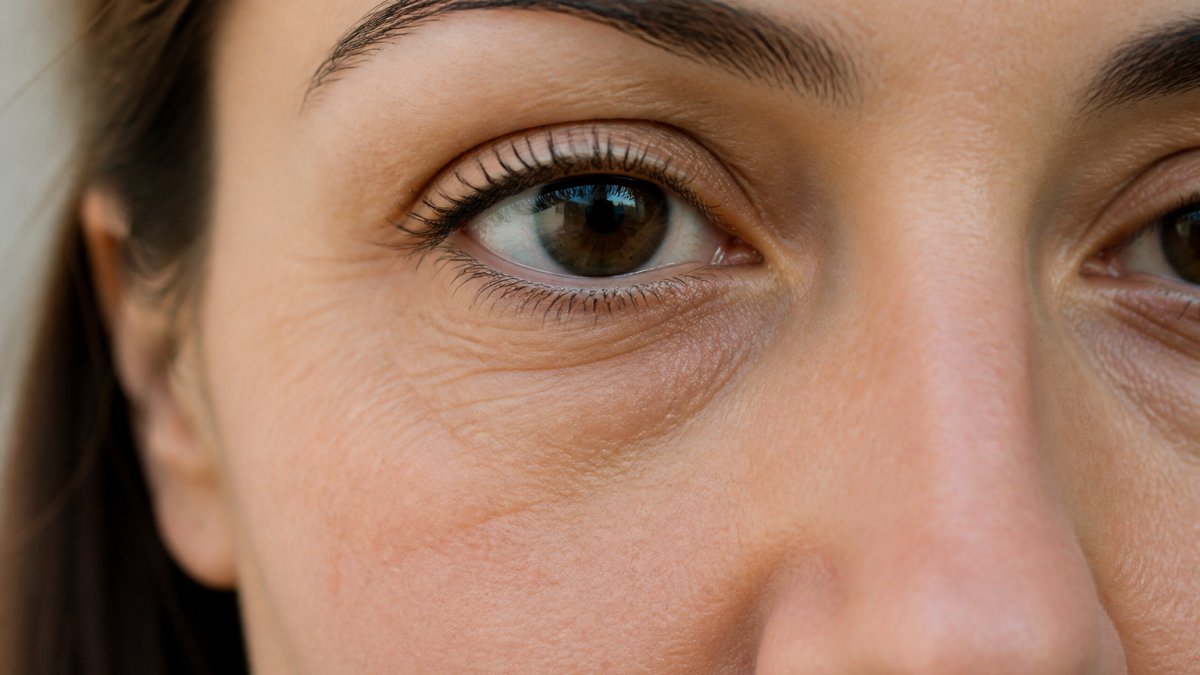
When you're young, your skin has plenty of natural volume. Over time, that volume depletes. The under-eye area loses fat and collagen, creating hollows and making fine lines more pronounced. Filler replaces some of that lost volume.
The filler sits beneath the dermis and creates a supportive scaffold. This lifts the overlying skin, smoothing wrinkles and reducing the shadowy appearance that makes eyes look tired. The effect is most noticeable in the tear trough, the area directly beneath the eye where wrinkles and dark circles tend to cluster.
The key is placement. A skilled practitioner injects only tiny amounts at a time, building volume gradually. This approach avoids the overfilled look that concerns many people.
Tear Trough Filler for Wrinkles: What the Evidence Shows
Research on tear trough filler shows mixed but encouraging results. A retrospective study published in the Journal of Clinical and Aesthetic Dermatology examined long-term effects of hyaluronic acid filler in the tear trough. The findings suggest the filler may last longer in practice than durations reported in clinical trials.
However, effectiveness varies by person. A review of dermal fillers for tear-trough deformity, documented by J. Sharad in peer-reviewed research, notes that practitioners inject very small amounts at each pass. This conservative approach reduces risk but also means results depend heavily on technique.
The real-world experience tells a nuanced story. Filler can soften wrinkles and reduce dark circles caused by hollowness. But it works best when the wrinkles are caused by volume loss, not purely by skin laxity or muscle movement.
One contrarian insight: does under eye filler work for wrinkles in all cases? Not always, under-eye filler isn't a wrinkle eraser. It's a volume restorer. If your wrinkles are caused by sun damage, thin skin, or repeated facial expressions, filler alone won't solve them. You may need a combination approach.
Types of Under-Eye Fillers and Their Effectiveness
Different fillers produce different results. The type you choose affects how natural you look and how long results last.
Hyaluronic Acid Fillers
Hyaluronic acid (HA) fillers are the most popular choice for under-eye work. They're reversible, which means if you don't like the result, an enzyme can dissolve them.
Common HA fillers include Juvéderm, Restylane, and Belotero. Each has a slightly different consistency. Lighter formulations work better under the eye because they integrate smoothly with delicate skin.
HA fillers attract water to the skin, which adds hydration alongside volume. This dual benefit makes them excellent for fine lines caused by dehydration or volume loss.
The downside? HA fillers tend to last 6 to 12 months under the eye.
Other Filler Options
Calcium hydroxylapatite (Radiesse) is thicker and longer-lasting than HA. It stimulates your body to produce more collagen over time. Results can last 12 to 18 months.
The trade-off: calcium hydroxylapatite is harder to blend smoothly under thin under-eye skin. It's better suited to deeper lines and hollows rather than fine wrinkles.
Poly-L-lactic acid (Sculptra) works by triggering collagen production. Results develop gradually over weeks and can last 2 years or longer. It's excellent for severe volume loss but requires multiple treatment sessions.
Permanent fillers exist but carry higher risk of complications. Most practitioners avoid them under the eyes because the area is delicate and complications are difficult to correct.
Filler vs Anti-Wrinkle Injections for Under-Eye Wrinkles
This choice confuses many people. Both treatments address wrinkles but work differently.
Anti-wrinkle injections (like Botox) relax the muscles that create expression lines. They're ideal for dynamic wrinkles, lines that appear when you move your face.
Filler adds volume. It's ideal for static wrinkles, lines visible even when your face is relaxed, and for hollowness.
Under the eyes, many people benefit from both. Filler addresses the hollow appearance and fine lines caused by volume loss. Anti-wrinkle injections prevent new wrinkles from forming by relaxing the orbicularis oculi muscle.
The combination approach often produces good results. Filler lifts and smooths. Anti-wrinkle injections prevent further damage.
| Treatment | Best For | Duration | Reversible |
|---|---|---|---|
| Filler | Volume loss, static wrinkles, dark circles | 6-18 months | Yes (HA only) |
| Anti-wrinkle injections | Expression lines, dynamic wrinkles | 3-4 months | Yes |
| Combined approach | Comprehensive under-eye rejuvenation | Variable | Partially |
How Long Does Under-Eye Filler Last
Under-eye filler typically lasts 6 to 18 months, depending on the type you choose and how your body metabolises it.
Hyaluronic acid fillers usually last 6 to 12 months under the eye. The constant movement from blinking and facial expressions breaks down the filler faster than in static areas like cheeks or lips.
Calcium hydroxylapatite and poly-L-lactic acid last longer, 12 to 24 months, because they're thicker and trigger collagen production.
Your metabolism matters. Younger people with faster metabolisms may see results fade in 6 months. Older people with slower metabolisms might enjoy results for a full year or longer.
Lifestyle affects longevity too. Sun exposure, smoking, and dehydration break down filler faster. Staying hydrated and protecting your skin helps fillers last longer.
Under-Eye Filler Risks and Side Effects
Under-eye filler is generally safe when performed by a qualified practitioner. But like any injection, it carries risks.
Common side effects include bruising, swelling, and tenderness. These usually resolve within a few days.
Rarer but serious complications include vascular occlusion (when filler blocks a blood vessel) and blindness. These are extremely uncommon but possible. They occur when filler is injected into an artery that supplies the eye.
Other potential issues include asymmetry, lumps, or an overfilled appearance. These depend on practitioner skill and technique.
Allergic reactions to filler are rare but possible. Hyaluronic acid is naturally present in your body, so true allergies are uncommon. But other components in the filler formula could trigger a reaction.
Infection is rare if sterile technique is followed. Choosing a clinic that uses single-use needles and maintains strict hygiene standards reduces this risk significantly.
The under-eye area is delicate and highly visible. Even small mistakes become noticeable. This is why choosing an experienced practitioner matters more here than anywhere else on the face.
Choosing a Qualified Practitioner for Under-Eye Treatment
The practitioner you choose determines your results more than the filler itself.
Look for someone with specific training in tear trough anatomy. The area has complex blood vessels and nerves. A practitioner who doesn't understand this anatomy risks serious complications.
Ask about credentials. In the UK, aesthetic practitioners should be registered with a professional body. Check they hold relevant qualifications and insurance.
Request before-and-after photos. Good practitioners have extensive portfolios showing natural results. Be wary of anyone showing overfilled or unnatural-looking eyes.
Ask about their approach to complications. What would they do if something went wrong? A confident practitioner has a clear protocol.
Glow with Fatima takes a clinically advanced approach to under-eye treatment. Founded by a practitioner with a clinical care background, the studio specialises in evidence-based solutions for dark circles and fine lines. They use CE and UKCA-certified medical-grade equipment and offer a personalised 3-session protocol designed to stimulate natural collagen and elastin production.
During a free consultation, you can discuss your specific concerns. The practitioner will assess whether filler alone is right for you, or whether a combined approach would work better.
Under-eye filler can soften wrinkles and restore volume, but results depend on your skin type, the cause of your wrinkles, and the skill of your practitioner. If you're considering treatment, a consultation with an experienced professional is the best first step. At Glow with Fatima, we offer a free consultation to discuss whether filler, anti-wrinkle injections, or a combined approach would work best for your under-eye concerns. Evidence-based aesthetic treatments are designed to deliver natural results that deepen with each session.
Frequently Asked Questions
Does under-eye filler work for wrinkles?
Under-eye filler can make fine lines and wrinkles less noticeable by adding volume to the tear trough area. Research suggests hyaluronic acid filler may last longer in practice than initially expected. However, filler smooths the under-eye area rather than directly removing wrinkles, it works by creating a fuller, more youthful appearance that makes existing lines appear less prominent. Results depend on the type of filler used and your skin's individual response.
What type of under-eye wrinkles can tear trough filler improve?
Tear trough filler works best on fine lines caused by volume loss or hollowing under the eyes. Very deep wrinkles or crepey skin texture may benefit from filler combined with other treatments. If puffiness is caused by a tight ligament rather than volume loss, filler alone may not provide the smoothing effect you're looking for, a qualified practitioner can assess your specific concerns.
How long does under-eye filler last?
Most hyaluronic acid fillers last between 6-12 months in the under-eye area, though individual results vary. A retrospective study on tear-trough hyaluronic acid filler suggests the results may last longer in practice than durations reported in clinical trials. Longevity depends on your metabolism, the filler brand used, injection technique, and how much filler was placed. Regular top-up appointments help maintain results consistently.
What are the main risks of under-eye filler?
Common side effects include temporary swelling, bruising, redness, and tenderness at the injection site. Rare but serious complications can include vascular occlusion (blocked blood vessels), infection, or allergic reaction. Under-eye filler carries particular risk because the area has delicate blood vessels and thin skin. Choosing a practitioner with advanced anatomy knowledge and experience in tear-trough injections significantly reduces complications. Always discuss your medical history and any medications before treatment.
Your questions, answered
Does under-eye filler work for wrinkles?
Under-eye filler can make fine lines and wrinkles less noticeable by adding volume to the tear trough area. Research suggests hyaluronic acid filler may last longer in practice than initially expected. However, filler smooths the under-eye area rather than directly removing wrinkles—it works by creating a fuller, more youthful appearance that makes existing lines appear less prominent. Results depend on the type of filler used and your skin's individual response.
What type of under-eye wrinkles can tear trough filler improve?
Tear trough filler works best on fine lines caused by volume loss or hollowing under the eyes. Very deep wrinkles or crepey skin texture may benefit from filler combined with other treatments. If puffiness is caused by a tight ligament rather than volume loss, filler alone may not provide the smoothing effect you're looking for—a qualified practitioner can assess your specific concerns.
How long does under-eye filler last?
Most hyaluronic acid fillers last between 6–12 months in the under-eye area, though individual results vary. A retrospective study on tear-trough hyaluronic acid filler suggests the results may last longer in practice than durations reported in clinical trials. Longevity depends on your metabolism, the filler brand used, injection technique, and how much filler was placed. Regular top-up appointments help maintain results consistently.
What are the main risks of under-eye filler?
Common side effects include temporary swelling, bruising, redness, and tenderness at the injection site. Rare but serious complications can include vascular occlusion (blocked blood vessels), infection, or allergic reaction. Under-eye filler carries particular risk because the area has delicate blood vessels and thin skin. Choosing a practitioner with advanced anatomy knowledge and experience in tear-trough injections significantly reduces complications. Always discuss your medical history and any medications before treatment.