ultimate-guide
How to Get Rid of Atrophic Acne Scars: 2026 Guide
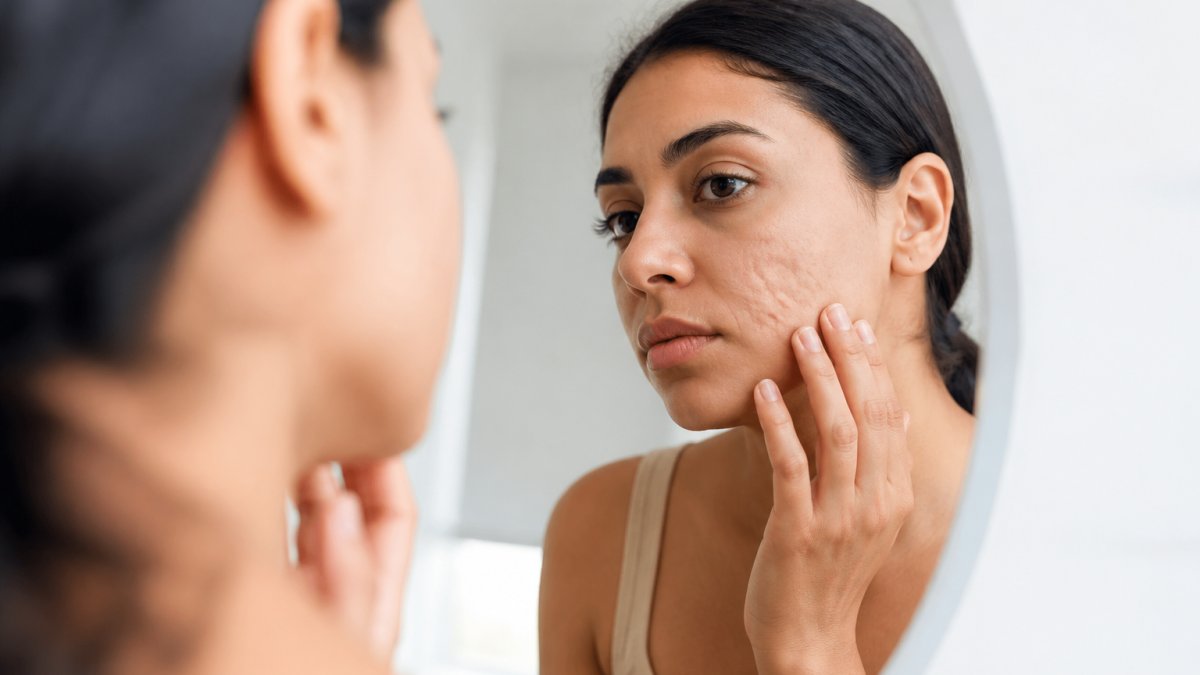
Table of Contents
- Understanding Atrophic Acne Scars
- Best Professional Treatments for Pitted Scars
- Microneedling for Acne Scars: How It Works
- Recovery Time for Acne Scar Treatment
- Topical Support and Long-Term Maintenance
- Combination Protocols for Optimal Results
- Frequently Asked Questions
Last Updated: September 30, 2026
Understanding Atrophic Acne Scars
Atrophic acne scars are depressed indentations in the skin that form when acne damages the deeper layers of skin tissue, and the body fails to fully regenerate collagen during healing. Unlike raised hypertrophic scars, atrophic scars create a pitted or sunken appearance that can significantly affect self-confidence. They're the most common type of acne scarring, particularly among those who experienced severe inflammatory acne in their teens and twenties.
The challenge with atrophic acne scars lies in their depth. Surface-level treatments like creams or serums simply cannot reach the structural damage beneath the epidermis. This is where clinical interventions become essential. At Glow with Fatima, we work with clients seeking to address these stubborn scars, and professional treatments can deliver measurable results where topical approaches fall short.
According to research from PMC-NIH's analysis of acne scar treatment advances, 75% of patients achieved significant scar volume reduction following targeted clinical intervention. The key is matching the right treatment to your specific scar type and depth, something that requires proper assessment and expertise.
Best Professional Treatments for Pitted Scars
Professional treatments work by stimulating collagen remodelling, breaking down scar tissue, or physically resurfacing the skin to level depressed areas. The most effective clinical approaches combine multiple modalities for optimal results, a strategy that has become standard practice across leading aesthetic clinics.
Fractional Laser Resurfacing
Fractional laser resurfacing creates controlled micro-injuries to the skin, triggering the body's natural healing response and stimulating new collagen production. Unlike older ablative lasers that treated the entire skin surface, fractional technology targets only a fraction of the skin, leaving surrounding tissue intact for faster recovery.
Research from Journal of Cosmetic and Aesthetic Surgery's 2025 analysis confirms that fractional laser combined with other modalities delivers superior outcomes compared to single-treatment approaches.
Radiofrequency Microneedling
Radiofrequency microneedling combines two mechanisms: mechanical needling creates controlled injury channels, whilst radiofrequency energy heats the deeper dermis to stimulate collagen contraction and new collagen synthesis. This dual-action approach is particularly effective for atrophic scars because it addresses both the surface texture and the underlying structural deficit.
The Raffine medical-grade microneedling system, which uses CE and UKCA-certified technology, delivers radiofrequency energy at precise depths, allowing practitioners to target scarring without damaging surrounding tissue. The result is visible texture improvement with minimal downtime compared to laser treatments.
Most clients see noticeable improvement after 3-6 sessions, with results continuing to improve for months after treatment completes. The cumulative effect, where each session builds on previous collagen stimulation, makes this particularly valuable for deep atrophic scars.
Subcision and TCA CROSS
These techniques are often combined: subcision releases the scar mechanically, whilst TCA CROSS stimulates new collagen formation. According to PMC research on atrophic acne scar treatment options, over 50% improvement was achieved in 7 out of 11 patients using deep phenol chemical peels, demonstrating the efficacy of chemical reconstruction approaches.
Microneedling for Acne Scars: How It Works
Microneedling for acne scars works by creating controlled micro-injuries that trigger the skin's natural healing cascade, stimulating fibroblasts to produce new collagen and elastin. The depth of the needles determines how deeply the treatment reaches, making it possible to address scars at the level where damage actually occurred.
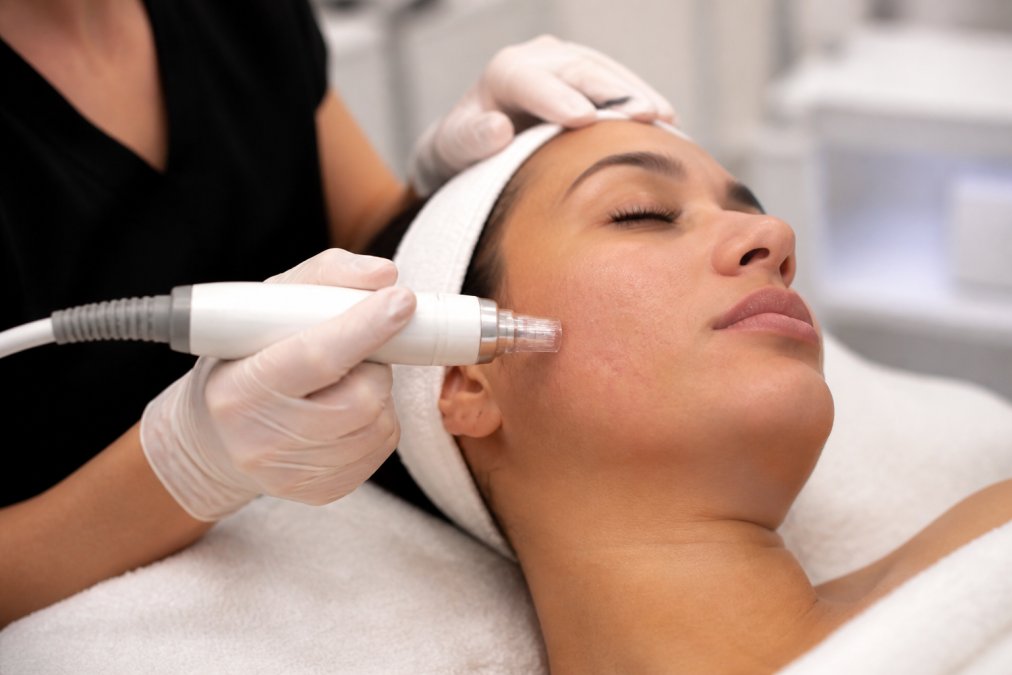
When combined with radiofrequency energy, as in the advanced systems used at Glow with Fatima, microneedling becomes significantly more powerful. The radiofrequency heats the dermis whilst the needles create channels for energy penetration, resulting in stronger collagen stimulation than mechanical needling alone.
The beauty of this approach is its versatility. Needle depth can be adjusted for different concerns. This customisation means the treatment can be tailored precisely to your scar depth.
Most clients require a series of sessions. The cumulative effect is significant: each session builds on the previous one, with collagen production continuing for months after the final treatment. This is why patience and consistency matter, the best results emerge over time, not after a single session.
Recovery Time for Acne Scar Treatment
Recovery time varies dramatically depending on which treatment you choose, and managing expectations here is crucial to satisfaction with results.
Radiofrequency microneedling typically involves 2-3 days of visible redness and mild swelling, with most clients returning to normal activities within a week. The skin may feel slightly tender and appear flushed, but makeup can usually cover this after 48 hours.
At Glow with Fatima, we discuss recovery expectations thoroughly during consultation so you can choose the approach that fits your lifestyle and scar severity.
Topical Support and Long-Term Maintenance
Here's what most guides get wrong about topical treatments for atrophic scars: they cannot eliminate deep scarring on their own, but they play a critical supporting role in maximising the results of clinical treatments and preventing new scarring.
Topical retinoids like adapalene or tretinoin stimulate collagen remodelling and cell turnover. Whilst they won't fill in deep pits, they improve skin texture and can make scars appear less noticeable over time. According to anecdotal reports from the r/AcneScars community, consistent adapalene use over 2 years produced measurable texture improvement in atrophic scarring cases.
Vitamin C serums and niacinamide support collagen synthesis and reduce inflammation, making them valuable additions to your post-treatment routine. Hyaluronic acid maintains hydration, which is essential during the healing phase after professional treatments.
The Calecim Pro protocol demonstrates the value of structured topical support: a six-week regimen combining 1% retinol, 2% salicylic acid, gentle cleanser, and mineral UV protection created documented clinical improvement in acne scarring texture. This isn't a replacement for professional treatment, it's a foundation that enhances results and prevents deterioration.
For long-term maintenance, consistency matters more than intensity. A simple routine with a retinoid, vitamin C, and SPF, applied consistently for months and years, produces better outcomes than sporadic use of expensive serums. Think of it as supporting the collagen your clinical treatments stimulate.
Combination Protocols for Optimal Results
The most effective approach to atrophic acne scars isn't single-treatment thinking, it's strategic combination therapy. This is where clinical expertise becomes essential, because the order, timing, and selection of treatments matters significantly.
A typical protocol might involve a series of radiofrequency microneedling sessions over several months to build additional collagen and refine results, potentially combined with other targeted treatments.
Microneedling builds sustained collagen over time. Each treatment mechanism is different, so each contributes something unique to the final result.
At Glow with Fatima, our 3-session protocol is designed around this principle: each session builds on the previous one, with treatments sequenced to maximise collagen stimulation whilst respecting recovery time. This approach has proven more effective than repeating a single treatment multiple times.
The research supports this. According to industry guidance from RenewMD Wellness on 2026 acne scar treatments, fractional laser resurfacing, radiofrequency microneedling, subcision, and TCA CROSS are identified as among the most effective clinical treatments when used strategically in combination.
Atrophic acne scars respond to professional treatment, but only when the approach is evidence-based and tailored to your specific scarring pattern. Surface treatments won't reach deep structural damage, clinical intervention is essential. Glow with Fatima specialises in precisely this challenge: offering clinically advanced, evidence-based treatments like radiofrequency microneedling to restore skin texture and rebuild confidence. Book a free consultation to discuss your scarring and discover which combination protocol will work best for your skin.
| Treatment | Recovery Time | Session Count | Best For |
|---|---|---|---|
| Radiofrequency Microneedling | 2-3 days | 3-6 sessions | Cumulative collagen building, minimal downtime |
| Fractional Laser Resurfacing | 5-7 days | 2-4 sessions | Broad texture improvement, faster results |
| Subcision + TCA CROSS | 2-3 days | 1-3 sessions | Deep individual scars, targeted approach |
| Combination Protocol | 3-7 days per session | 6-12 sessions total | Maximum improvement, optimal long-term results |
Frequently Asked Questions
Can atrophic acne scars be removed completely?
Complete removal is rarely possible, but significant improvement is achievable. The depth and severity of your atrophic acne scars determine the realistic outcome. Early intervention can produce better results than waiting years. A consultation with a clinician can assess your specific scarring pattern and set realistic expectations for your skin.
How does microneedling for acne scars actually work?
Microneedling creates controlled micro-injuries that trigger your skin's natural healing response, stimulating collagen and elastin production. This process gradually fills in depressed atrophic scars from beneath the surface. Medical-grade systems like the Raffine microneedling platform deliver consistent results through multiple sessions. The depth and density of needling are calibrated to your scar type. Most clients see progressive improvement over a 3-session protocol.
What is the recovery time for acne scar treatment?
Recovery varies by treatment type. Microneedling typically involves 24-48 hours of redness and mild swelling, with most clients returning to normal activities within 3-5 days. Your practitioner will provide specific aftercare instructions tailored to your treatment. Plan your sessions strategically if you have important events scheduled.
How do I know if my atrophic acne scars will respond to treatment?
Atrophic scars, characterised by depressed or pitted skin, respond well to clinical interventions because they involve lost collagen that treatments can stimulate. Rolling scars (shallow, sloped edges) and boxcar scars (steep, defined edges) typically respond better than ice pick scars (deep, narrow punctures), though all types can improve. Early detection and targeted treatment allow for optimised therapies. A clinical assessment determines your scar subtype and the most effective treatment combination for your skin.
Your questions, answered
Can atrophic acne scars be removed completely?
Complete removal is rarely possible, but significant improvement is achievable. The depth and severity of your atrophic acne scars determine the realistic outcome. Early intervention can produce better results than waiting years. A consultation with a clinician can assess your specific scarring pattern and set realistic expectations for your skin.
How does microneedling for acne scars actually work?
Microneedling creates controlled micro-injuries that trigger your skin's natural healing response, stimulating collagen and elastin production. This process gradually fills in depressed atrophic scars from beneath the surface. Medical-grade systems like the Raffine microneedling platform deliver consistent results through multiple sessions. The depth and density of needling are calibrated to your scar type. Most clients see progressive improvement over a 3-session protocol.
What is the recovery time for acne scar treatment?
Recovery varies by treatment type. Microneedling typically involves 24-48 hours of redness and mild swelling, with most clients returning to normal activities within 3-5 days. Your practitioner will provide specific aftercare instructions tailored to your treatment. Plan your sessions strategically if you have important events scheduled.
How do I know if my atrophic acne scars will respond to treatment?
Atrophic scars—characterised by depressed or pitted skin—respond well to clinical interventions because they involve lost collagen that treatments can stimulate. Rolling scars (shallow, sloped edges) and boxcar scars (steep, defined edges) typically respond better than ice pick scars (deep, narrow punctures), though all types can improve. Early detection and targeted treatment allow for optimised therapies. A clinical assessment determines your scar subtype and the most effective treatment combination for your skin.