how-to
How to Treat Postpartum Skin Texture: A 2026 Guide
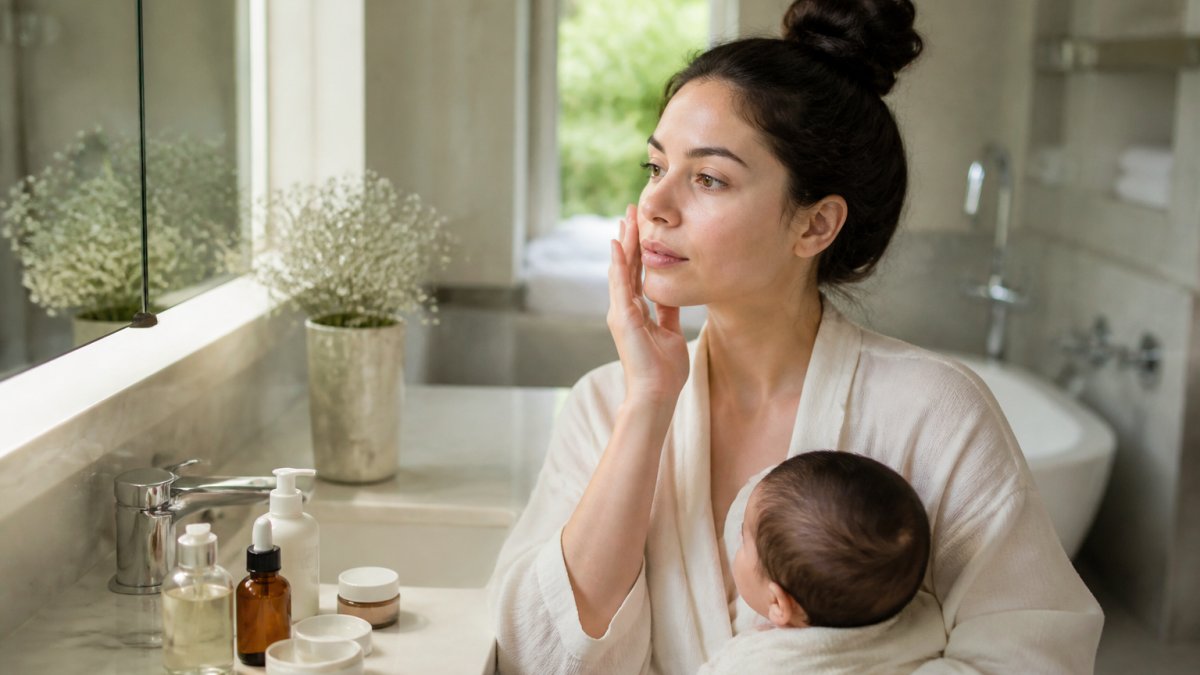
Table of Contents
- Understanding Postpartum Skin Texture Changes
- Building a Postpartum Skincare Routine That Works
- Postpartum Hormonal Acne Treatment Without Irritation
- Managing Postpartum Hyperpigmentation
- Breastfeeding-Safe Skincare: What to Use and Avoid
- Professional Treatments for Stubborn Postpartum Skin Texture
- When to See a GP or Dermatologist
- Conclusion: Patience and Consistency
- Frequently Asked Questions
Last Updated: October 13, 2026
Understanding Postpartum Skin Texture Changes
Pregnancy changes your skin, and for many women the shift doesn't stop after birth. Research from the National Centre for Biotechnology Information on pregnancy-related skin changes shows that texture, pigmentation and sensitivity often continue to fluctuate well into the postpartum months. If you're wondering how to treat postpartum skin texture, the short answer is this: gentle, consistent care rebuilds the barrier first, and active treatments come later. At Glow with Fatima, we see this pattern constantly in new mothers.
So what actually changes? Two things drive most of it.
- Hormonal shifts. Oestrogen and progesterone drop sharply after birth, which slows collagen support and leaves skin looking dull or crepey.
- Barrier weakness. Dryness, flaking and reactivity are common while the skin's protective layer recovers.
That combination explains why the same face wash that worked before pregnancy now stings. It's not your imagination, and it isn't permanent.
Building a Postpartum Skincare Routine That Works
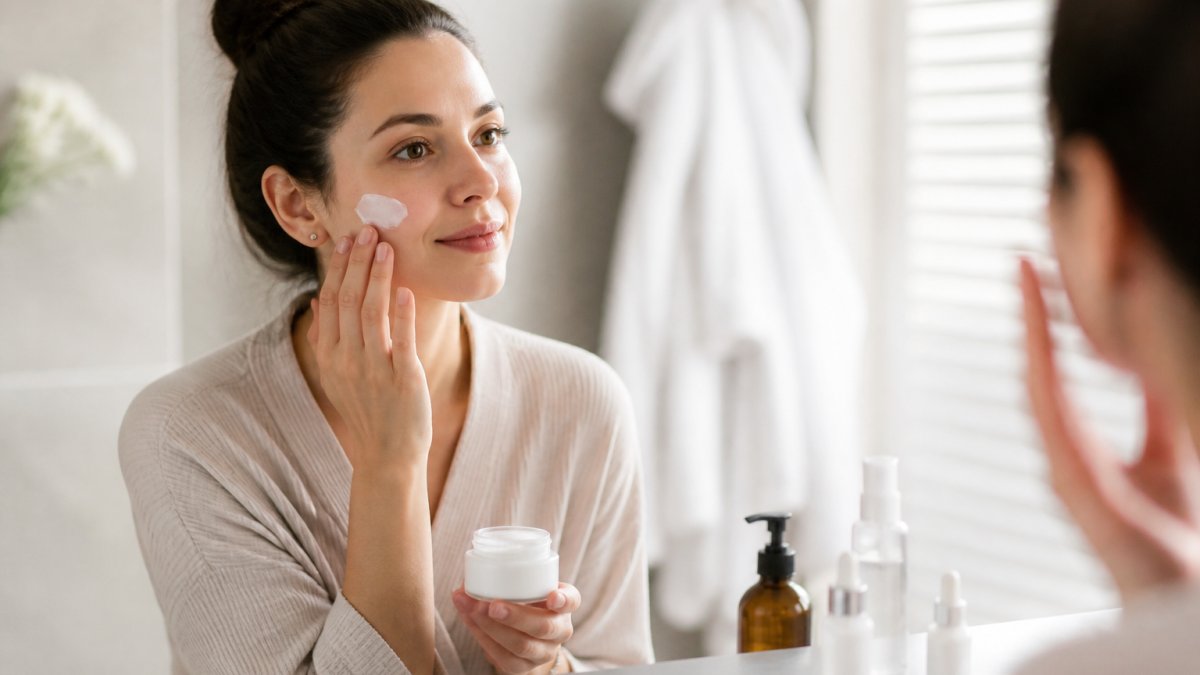
A postpartum skincare routine works best when it's short. Four to five products, used twice daily, beat a ten-step regimen you'll abandon by week three. The goal is simple: hydrate in the morning, repair at night.
Morning Routine: Protect and Hydrate
Morning is about defence. Cleanse gently, then layer hydration and sun protection. That's it.
- Cleanse with a cream or milk cleanser, no foaming agents.
- Hydrate with a hyaluronic acid serum on damp skin.
- Moisturise with a barrier cream.
- Protect with SPF 30 or higher, every single day.
Sunscreen matters more than most guides admit. Pigmentation from pregnancy darkens fast with UV exposure, so daily SPF is the single most effective step you can take.
Evening Routine: Repair and Renew
Evening is where repair happens. Double cleanse if you wore SPF, then apply your treatment and seal it in.
- Remove sunscreen and grime with an oil cleanser, then a gentle second cleanse.
- Apply a pea-sized amount of retinoid, if cleared for use.
- Follow with a rich moisturiser containing ceramides.
Start retinoids twice a week. Build up slowly. Your skin will tell you when it's ready for more.
Postpartum Hormonal Acne Treatment Without Irritation
Postpartum hormonal acne treatment should avoid aggressive steps. Practitioners consistently advise against picking or squeezing breakouts, because the barrier is compromised and inflammation spreads easily. That advice is worth taking seriously.
What works instead:
- Salicylic acid in a low-strength cleanser, a few times a week.
- Niacinamide to calm redness and regulate oil.
- Azelaic acid for both acne and the marks it leaves behind.
- Benzoyl peroxide as a spot treatment, not all over.
The temptation is to attack acne hard. Resist it. Harsh scrubs and high-strength acids trigger more inflammation, which means more marks and a longer recovery.
If breakouts persist beyond a few months, that's a signal to get professional input rather than adding more products.
Managing Postpartum Hyperpigmentation
Postpartum hyperpigmentation fades slowly, and treating it well means treating it gently. Dark patches, often along the cheeks and forehead, are hormone-driven and worsen with sun exposure. Time and consistency do most of the work.
The most effective routine combines three things:
- Daily broad-spectrum SPF, reapplied if you're outdoors.
- Vitamin C in the morning to brighten and defend.
- Azelaic acid or tranexamic acid in the evening.
Avoid strong lightening creams sold without regulation. Some contain ingredients that aren't safe while breastfeeding, and results rarely justify the risk.
Expect months, not weeks. Pigmentation that took nine months to develop won't clear in a fortnight, and anyone promising otherwise is selling something.
Breastfeeding-Safe Skincare: What to Use and Avoid
Breastfeeding-safe skincare comes down to absorption and evidence. Most topical products absorb minimally into the bloodstream, but a few ingredients are worth avoiding until you've finished nursing.
Generally considered safe:
- Hyaluronic acid, glycerine and ceramides
- Niacinamide and vitamin C
- Azelaic acid
- Mineral sunscreens (zinc oxide, titanium dioxide)
- Glycolic and lactic acid in low strengths
Best avoided while breastfeeding:
- High-dose topical retinoids
- Salicylic acid peels at high concentrations
- Unregulated lightening creams
- Essential oils known to be problematic in pregnancy and nursing
When in doubt, check with your GP, pharmacist or a clinician before starting anything new. A two-minute question beats weeks of worry.
Professional Treatments for Stubborn Postpartum Skin Texture
Professional treatments help when home care has plateaued. Clinical laser resurfacing, including fractional and non-ablative systems, is widely used to stimulate collagen and improve skin depth and tone. These are not first-line options, but for texture that hasn't responded to six months of consistent home care, they're worth discussing.
At Glow with Fatima, our approach is built around a three-session protocol rather than one-off appointments. We use CE and UKCA-certified medical-grade equipment, including the Raffine microneedling system, and treatments are chosen for safety and results rather than trends. Because the studio was founded by a practitioner with a clinical care background, the focus stays on evidence and on what your skin actually needs.
| Concern | Home Care Timeline | When to Consider Professional Treatment |
|---|---|---|
| Dryness and flaking | 2-4 weeks | Rarely needed |
| Hormonal acne | 8-12 weeks | If persistent after 3 months |
| Hyperpigmentation | 3-6 months | If unchanged after 6 months |
| Texture and laxity | 3-6 months | If plateaued after 6 months |
| Acne or surgical scarring | Limited response | Worth assessing early |
A consultation matters here. Not everyone needs a device-based treatment, and a good clinician will tell you so.
When to See a GP or Dermatologist
See a GP or dermatologist if skin changes come with pain, spreading rash, open sores, or a mole that changes shape or colour. Those aren't routine postpartum changes and shouldn't be managed with skincare alone.
Book an appointment sooner if:
- Acne is severe, cystic, or leaving deep marks.
- Pigmentation is spreading despite daily SPF.
- You suspect an infection or an allergic reaction.
- Texture changes are affecting your confidence day to day.
For most women, postpartum skin settles over time. But "wait and see" isn't the right answer when something looks unusual. Getting it checked is quick, and it removes the worry.
Conclusion: Patience and Consistency
Postpartum skin asks for patience, not perfection. The routine that works is the one you'll actually keep: gentle cleansing, steady hydration, daily SPF, and slow, careful use of actives. Texture, tone and elasticity do improve, but they improve on their own timeline, not yours.
If home care has taken you as far as it can, or you're dealing with scarring, laxity or pigmentation that won't shift, we can help. Glow with Fatima offers evidence-based skin rejuvenation, targeted scar treatment and under-eye revitalisation using CE and UKCA-certified equipment, with a three-session protocol designed for real, cumulative results. Book a free consultation and we'll assess what your skin needs now, and what it can wait for.
Frequently Asked Questions
What causes changes in skin texture after pregnancy?
Hormonal shifts during pregnancy and postpartum, along with fluid retention and altered oil production, can leave skin dry, oily, or textured. Research from the National Centre for Biotechnology Information shows that many women experience physiological skin changes such as dryness, acne, and hyperpigmentation. These changes often settle over time, but a gentle, consistent routine can help manage them.
How can I improve rough or uneven skin texture postpartum?
Focus on barrier repair and gentle exfoliation. Use a moisturiser with emollients, occlusives, and humectants to combat dryness, as recommended by Dermatology Times. Introduce a mild lactic acid or mandelic acid toner once or twice a week if tolerated. Avoid harsh scrubs, and never pick or squeeze breakouts, as the skin barrier is compromised. Professional treatments like microneedling can help if texture persists.
Can breastfeeding affect postpartum skin texture?
Breastfeeding can influence skin texture because hormonal changes continue. Oestrogen levels remain low, which can lead to dryness and dullness. It is safe to use many skincare ingredients while breastfeeding, but avoid retinoids and high-dose salicylic acid. Always check with a GP or pharmacist if unsure. A breastfeeding-safe skincare routine should focus on hydration and sun protection.
When should I speak to a GP or dermatologist about postpartum skin changes?
If you notice severe acne, deep scars, or pigmentation that does not improve after several months, or if you experience symptoms like intense itching or rash, consult a GP or dermatologist. They can rule out other conditions and recommend prescription treatments or in-clinic procedures. For persistent texture, a professional assessment can guide you towards safe, effective options.
Your questions, answered
What causes changes in skin texture after pregnancy?
Hormonal shifts during pregnancy and postpartum, along with fluid retention and altered oil production, can leave skin dry, oily, or textured. Research from the National Centre for Biotechnology Information shows that many women experience physiological skin changes such as dryness, acne, and hyperpigmentation. These changes often settle over time, but a gentle, consistent routine can help manage them.
How can I improve rough or uneven skin texture postpartum?
Focus on barrier repair and gentle exfoliation. Use a moisturiser with emollients, occlusives, and humectants to combat dryness, as recommended by Dermatology Times. Introduce a mild lactic acid or mandelic acid toner once or twice a week if tolerated. Avoid harsh scrubs, and never pick or squeeze breakouts, as the skin barrier is compromised. Professional treatments like microneedling can help if texture persists.
Can breastfeeding affect postpartum skin texture?
Breastfeeding can influence skin texture because hormonal changes continue. Oestrogen levels remain low, which can lead to dryness and dullness. It is safe to use many skincare ingredients while breastfeeding, but avoid retinoids and high-dose salicylic acid. Always check with a GP or pharmacist if unsure. A breastfeeding-safe skincare routine should focus on hydration and sun protection.
When should I speak to a GP or dermatologist about postpartum skin changes?
If you notice severe acne, deep scars, or pigmentation that does not improve after several months, or if you experience symptoms like intense itching or rash, consult a GP or dermatologist. They can rule out other conditions and recommend prescription treatments or in-clinic procedures. For persistent texture, a professional assessment can guide you towards safe, effective options.