listicle
Best Intensive Regeneration for Acne and Surgical Scars
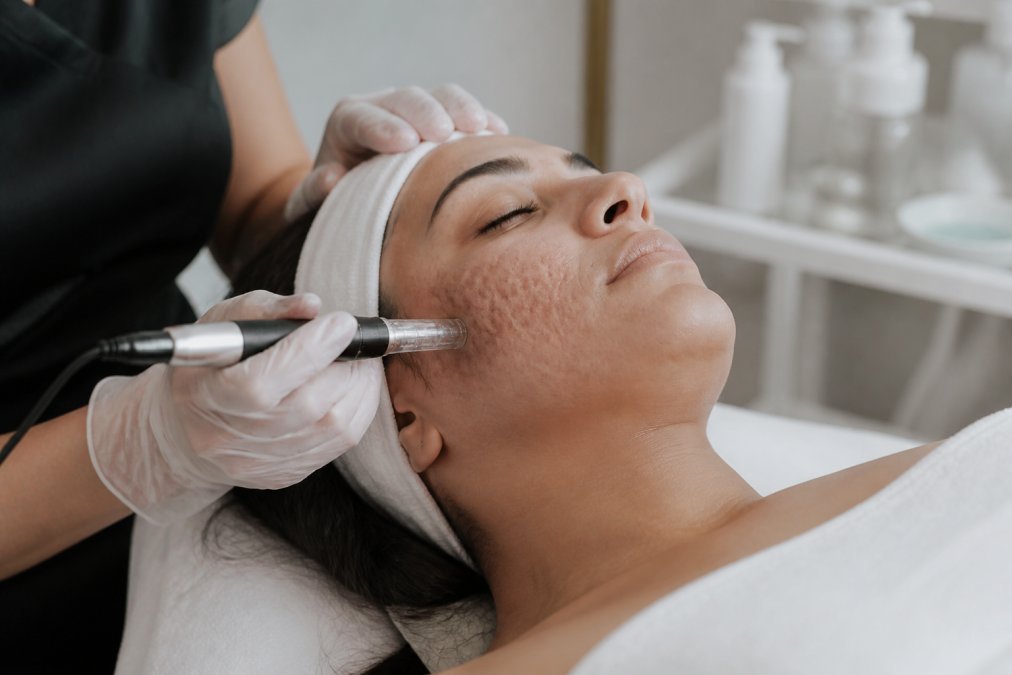
Table of Contents
- What Intensive Regeneration Means for Acne and Surgical Scars
- Microneedling for Acne Scars: How It Works and What to Expect
- Laser Skin Resurfacing Recovery Time and Treatment Depth
- How to Improve Skin Texture After Acne: Multi-Modal Approaches
- Comparing Treatment Options: Efficacy and Pore Reduction
- Why a 3-Session Protocol Delivers Superior Results
- Conclusion: Choosing Your Path to Restored Skin
- Frequently Asked Questions
Last Updated: September 20, 2026
What Intensive Regeneration Means for Acne and Surgical Scars
Intensive regeneration for acne scars represents a fundamental shift in how dermatology addresses textural damage. Rather than accepting scarring as permanent, modern clinical protocols combine multiple modalities, laser, microneedling, chemical treatments, to trigger deep collagen remodelling and restore skin architecture. The results speak clearly: according to Frontiers in Medicine's 2025 research on advanced acne scar treatment, 88% of patients achieved consistent scar improvement using a combination of phenol CROSS, subcision, and microneedling.
The most transformative outcomes often occur when treatments are layered strategically rather than applied in isolation. A single session rarely reshapes pitted scars or tightens loose tissue. Instead, a structured protocol, typically spanning three sessions, allows each treatment to prepare skin for the next, maximising collagen synthesis and structural remodelling over time.
The psychological impact matters as much as the clinical one. Scarring from acne or surgery often leaves emotional residue alongside visible marks. Early intervention prevents that psychological toll from deepening, which is why addressing scars promptly, rather than waiting years, changes the trajectory of both skin and confidence.
Microneedling for Acne Scars: How It Works and What to Expect
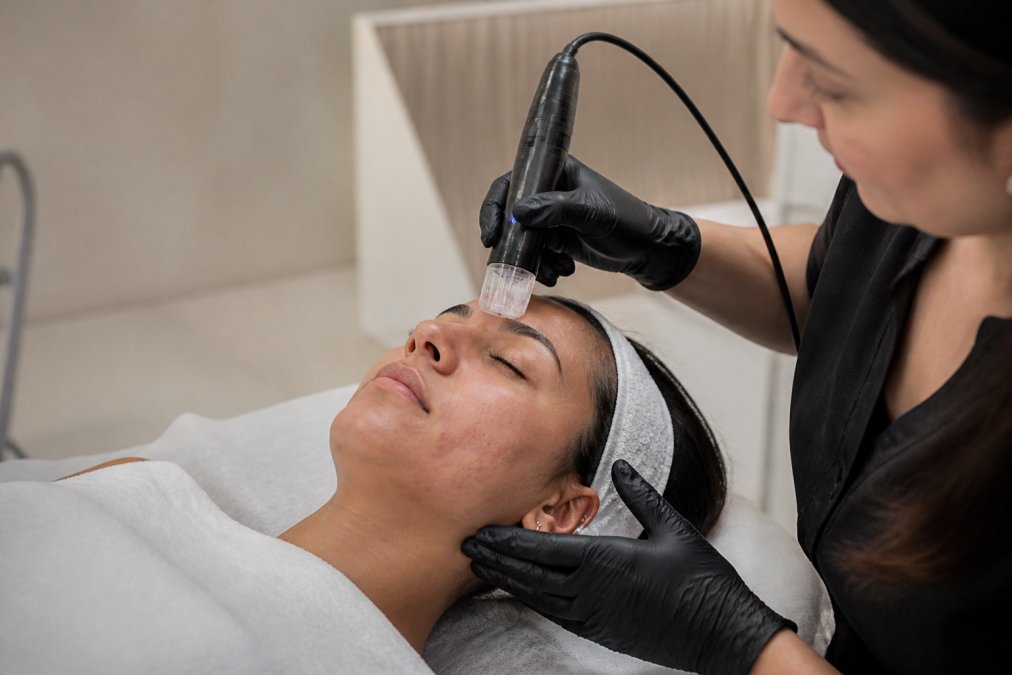
Microneedling creates controlled micro-injuries that trigger the skin's natural healing response, stimulating collagen and elastin production without removing tissue. When combined with radiofrequency energy, a technique called microneedle radiofrequency fractional (MNRF), the treatment becomes dual-action: mechanical needling plus thermal energy penetrates deeper into the dermis, making it effective for both atrophic acne scars and the reduction of open pores.
The mechanism is straightforward but powerful. Fine needles penetrate to a precise depth (typically 1.5-2.5 mm for scarring), creating channels that activate fibroblasts. These cells then synthesise new collagen over weeks following treatment. Radiofrequency amplifies this response by delivering heat energy that tightens existing collagen whilst signalling for new production. According to Journal of Cosmetic and Aesthetic Surgery's 2025 evidence review, MNRF is effective for both atrophic acne scars and the reduction of open pores, making it particularly valuable for patients with combined concerns.
Recovery is mild compared to ablative lasers. Most patients experience erythema (redness) and mild swelling for 24-48 hours. Downtime is typically 3-5 days before returning to normal activities, though some redness may persist for 1-2 weeks. This makes microneedling accessible for professionals who cannot afford extended recovery periods.
Results compound across sessions. Structured protocols often deliver significant improvement in scar depth and pore size, which is why they can outperform single treatments.
Laser Skin Resurfacing Recovery Time and Treatment Depth
Laser resurfacing divides into two categories: ablative (removes tissue) and non-ablative (heats without removing). This distinction determines both efficacy and recovery demands.
Ablative lasers like fractional CO2 create columns of thermal injury that vaporise damaged skin, triggering aggressive collagen remodelling. Results are dramatic, often 60-70% improvement in deep scarring after a single session, but recovery is significant. Expect 7-10 days of visible peeling, 2-3 weeks of erythema, and 3-6 months of gradual improvement as collagen continues rebuilding. Downtime makes ablative treatment unsuitable for those unable to take time away from work or social commitments.
Non-ablative fractional lasers like the 1550-nm erbium-glass laser penetrate deeply without removing the epidermis, heating the dermis to stimulate collagen without surface damage. Recovery is minimal: 24-48 hours of mild redness, often concealable with makeup. The tradeoff is efficacy, non-ablative lasers require multiple sessions (typically 4-6) to match the results of a single ablative treatment. However, for patients seeking minimal downtime, the cumulative improvement is substantial.
Treatment depth determines which scars respond best. Shallow ice-pick scars (< 2 mm) respond well to non-ablative approaches and chemical peels. Deep rolling scars (3-5 mm) often require ablative lasers or combination protocols. Boxcar scars benefit from subcision followed by resurfacing.
Choosing between ablative and non-ablative depends on three factors: scar depth, available recovery time, and risk tolerance. Deeper scars demand ablative technology. Shorter timelines favour non-ablative. The ideal approach often combines both, a single ablative session for structural reshaping, followed by non-ablative treatments for refinement.
How to Improve Skin Texture After Acne: Multi-Modal Approaches
The most effective intensive regeneration for acne scars combines treatments targeting different scar types simultaneously. A multi-modal protocol addresses pitted scars with subcision and microneedling, surface irregularities with chemical peels, and residual discolouration with laser or topical treatments.
Subcision, a minor procedure where a needle breaks fibrous bands tethering scars to deeper tissue, works best on rolling scars. By releasing the tether, skin can lift naturally. When combined with fillers or microneedling, results compound. The procedure requires local anaesthetic and carries minor bruising risk, but structural improvement is permanent.
TCA CROSS (chemical reconstruction of skin scars) targets ice-pick scars with precision. High-concentration trichloroacetic acid is applied directly to individual scars, triggering localised collagen production.
A typical multi-modal protocol spans 12 weeks:
- Week 1: Subcision for tethered scars, followed by TCA CROSS for ice-pick scars
- Week 4: Radiofrequency microneedling to stimulate overall collagen and refine texture
- Week 8: Non-ablative laser for residual erythema and pore refinement
- Weeks 2-12: Daily topical retinoid and vitamin C serum application
Comparing Treatment Options: Efficacy and Pore Reduction
| Treatment | Starting Price | Recovery Time | Best For | Efficacy for Pore Reduction |
|---|---|---|---|---|
| Radiofrequency Microneedling | £450 per session | 3-5 days | Mild to moderate scarring, enlarged pores | High; dual-action collagen induction |
| Fractional CO2 Laser | £800 per session | 7-10 days | Deep structural scarring | Very high; aggressive remodelling |
| TCA CROSS | £200 per session | 5-7 days | Deep ice-pick scars | High for targeted scars |
| 1550-nm Erbium Laser | £600 per session | 24-48 hours | Early-stage scarring, minimal downtime | Moderate; requires multiple sessions |
| Subcision | £500 per area | 3-5 days | Rolling scars, tethered tissue | High for structural lifting |
| Hyaluronic Acid Fillers | £350 per syringe | Minimal | Rolling scars, depressed scarring | Temporary; requires repeat treatments |
| Medical-Grade Retinoids | £40 per tube | None | Surface texture, post-inflammatory marks | Moderate; maintenance treatment |
| Professional Chemical Peels | £120 per session | 3-5 days | Superficial scarring, pore refinement | Moderate; entry-level option |
Why a 3-Session Protocol Delivers Superior Results
A three-session intensive regeneration protocol works because it allows cumulative collagen stimulation without overwhelming the skin's healing capacity. Each session triggers fibroblasts to produce new collagen; spacing sessions 4-6 weeks apart allows this synthesis to complete before the next stimulus arrives.
Conclusion: Choosing Your Path to Restored Skin
Intensive regeneration for acne and surgical scars has moved beyond cosmetic luxury into clinical necessity for anyone seeking genuine textural restoration. The treatments exist. The evidence is strong. The outcomes are measurable.
Frequently Asked Questions
What is the most effective clinical treatment for deep acne and surgical scars?
Research shows that combining multiple treatments yields the best results for intensive regeneration of acne and surgical scars. A 2025 study found that 88% of patients achieved consistent scar improvement using a combination of phenol CROSS, subcision, and microneedling. The specific approach depends on your scar type: ice-pick scars respond best to TCA CROSS, rolling scars benefit from subcision or radiofrequency microneedling, and atrophic scarring improves with fractional laser resurfacing. A practitioner with clinical expertise can assess your skin and recommend the right combination for your needs.
How many sessions are typically required for significant scar and pore improvement?
Most patients require a 3-session protocol to achieve optimal results for intensive regeneration of acne and surgical scars. This timeframe allows the skin to respond to each treatment, with collagen remodelling continuing between sessions. Recovery varies by treatment type: radiofrequency microneedling requires 3-5 days, whilst fractional CO₂ laser resurfacing may need 7-10 days. Topical treatments like medical-grade retinoids and vitamin C serums show results over 8-12 weeks of consistent application. Your practitioner can create a personalised timeline based on your scar severity and skin type.
Are there non-surgical options for smoothing surgical scar tissue?
Yes. Non-surgical treatments for surgical scars include radiofrequency microneedling, fractional laser resurfacing, hyaluronic acid fillers, and topical retinoids. For raised scars like hypertrophic or keloid types, silicone gel sheets and corticosteroid creams are recommended as first-line non-invasive options. Radiofrequency microneedling is particularly effective for both texture and pore size reduction without significant downtime. Combining these approaches, such as using topical retinoids alongside professional treatments, accelerates healing and improves overall skin texture after surgery.
Can professional skin treatments permanently reduce pore size?
Professional treatments can significantly reduce pore appearance, though results depend on the approach used. Fractional CO₂ laser resurfacing and radiofrequency microneedling both tighten skin and minimise pore size by stimulating collagen regeneration. A 2026 study confirmed that microneedle radiofrequency fractional (MNRF) technology effectively reduces both atrophic acne scars and open pores. Results are long-lasting when combined with proper skincare maintenance, including sunscreen and medical-grade retinoids. Maintenance sessions every 12-18 months help sustain improvements.
What should I look for in a clinical aesthetic studio for scar treatment?
Choose a studio that uses CE and UKCA-certified medical-grade equipment and is founded by or staffed with practitioners who have a clinical care background. Evidence-based treatment selection is essential, your practitioner should assess your specific scar morphology and recommend a personalised protocol rather than a one-size-fits-all approach. Ask about their experience with your scar type and request before-and-after examples. A reputable studio will offer a consultation to discuss realistic outcomes, recovery timelines, and the specific combination of treatments suited to your skin.
Your questions, answered
What is the most effective clinical treatment for deep acne and surgical scars?
Research shows that combining multiple treatments yields the best results for intensive regeneration of acne and surgical scars. A 2025 study found that 88% of patients achieved consistent scar improvement using a combination of phenol CROSS, subcision, and microneedling. The specific approach depends on your scar type: ice-pick scars respond best to TCA CROSS, rolling scars benefit from subcision or radiofrequency microneedling, and atrophic scarring improves with fractional laser resurfacing. A practitioner with clinical expertise can assess your skin and recommend the right combination for your needs.
How many sessions are typically required for significant scar and pore improvement?
Most patients require a 3-session protocol to achieve optimal results for intensive regeneration of acne and surgical scars. This timeframe allows the skin to respond to each treatment, with collagen remodelling continuing between sessions. Recovery varies by treatment type: radiofrequency microneedling requires 3–5 days, whilst fractional CO₂ laser resurfacing may need 7–10 days. Topical treatments like medical-grade retinoids and vitamin C serums show results over 8–12 weeks of consistent application. Your practitioner can create a personalised timeline based on your scar severity and skin type.
Are there non-surgical options for smoothing surgical scar tissue?
Yes. Non-surgical treatments for surgical scars include radiofrequency microneedling, fractional laser resurfacing, hyaluronic acid fillers, and topical retinoids. For raised scars like hypertrophic or keloid types, silicone gel sheets and corticosteroid creams are recommended as first-line non-invasive options. Radiofrequency microneedling is particularly effective for both texture and pore size reduction without significant downtime. Combining these approaches—such as using topical retinoids alongside professional treatments—accelerates healing and improves overall skin texture after surgery.
Can professional skin treatments permanently reduce pore size?
Professional treatments can significantly reduce pore appearance, though results depend on the approach used. Fractional CO₂ laser resurfacing and radiofrequency microneedling both tighten skin and minimise pore size by stimulating collagen regeneration. A 2026 study confirmed that microneedle radiofrequency fractional (MNRF) technology effectively reduces both atrophic acne scars and open pores. Results are long-lasting when combined with proper skincare maintenance, including sunscreen and medical-grade retinoids. Maintenance sessions every 12–18 months help sustain improvements.
What should I look for in a clinical aesthetic studio for scar treatment?
Choose a studio that uses CE and UKCA-certified medical-grade equipment and is founded by or staffed with practitioners who have a clinical care background. Evidence-based treatment selection is essential—your practitioner should assess your specific scar morphology and recommend a personalised protocol rather than a one-size-fits-all approach. Ask about their experience with your scar type and request before-and-after examples. A reputable studio will offer a consultation to discuss realistic outcomes, recovery timelines, and the specific combination of treatments suited to your skin.