how-to
Is Laser Skin Tightening Safe Postpartum? A Clinical Review
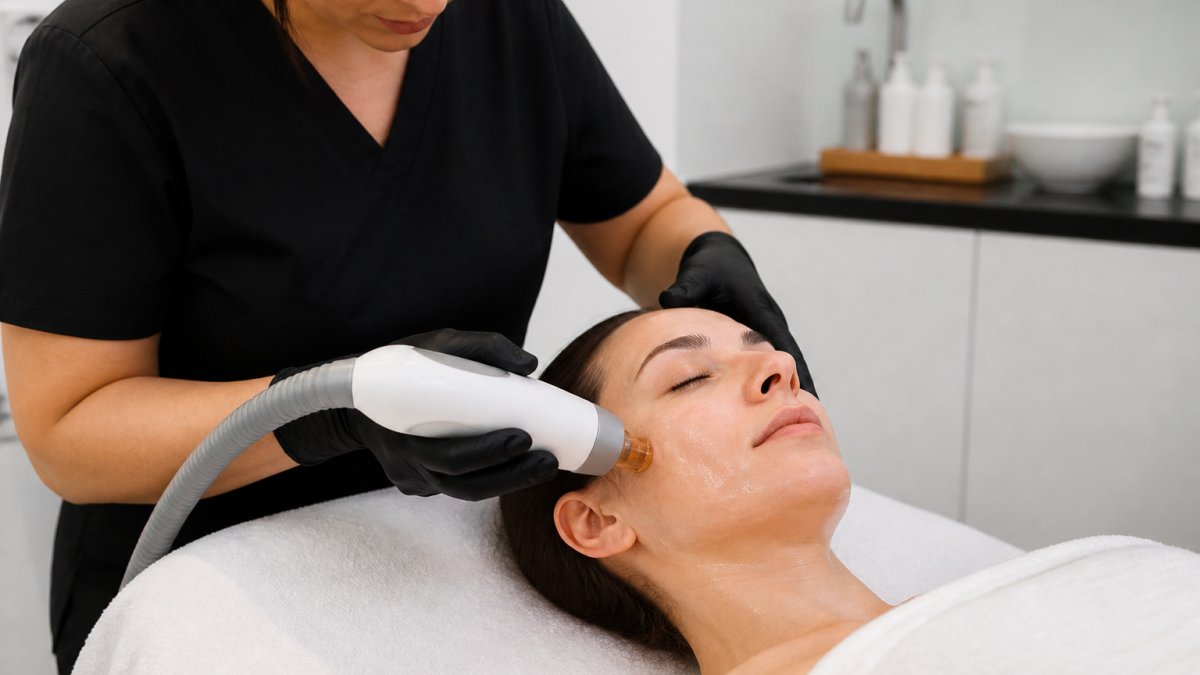
Table of Contents
- The Honest Verdict on Laser Skin Tightening Postpartum
- Laser Skin Tightening While Breastfeeding: What the Guidance Actually Says
- When Can I Have Laser Treatment After Pregnancy?
- Postpartum Loose Skin Treatment: What Works and What to Expect
- Laser Treatment for Stretch Marks While Breastfeeding
- The Real Risks and Limitations Nobody Mentions
- Where Each Option Wins: A Scenario-Based Guide
- Frequently Asked Questions
Last Updated: October 21, 2026
The Honest Verdict on Laser Skin Tightening Postpartum
Is laser skin tightening safe postpartum? The honest answer is that it can be, but only once your body has healed and only after a proper assessment. At Glow with Fatima, we understand that there is no single medically established waiting period. Clinic guidance varies widely.
Laser skin tightening is a non-surgical treatment that uses controlled energy to heat deeper skin layers and trigger collagen production. It is not a single procedure. Lasers, radiofrequency devices and microwave systems all work differently, and each carries its own risk profile.
That distinction matters more than most guides admit. Safety depends on the device, the timing after birth, whether you are breastfeeding, and your skin type. Below, we break down what the guidance actually says and how to decide when you are ready.
Laser Skin Tightening While Breastfeeding: What the Guidance Actually Says
Laser skin tightening while breastfeeding sits in a grey zone. The sources do not agree, and anyone who tells you otherwise is oversimplifying.
Some hospitals state that laser techniques are not categorised as unsafe for breastfeeding mothers. Others advise against treating stretch marks during breastfeeding, because hormonal fluctuations may make skin responses unpredictable. These statements cover different treatment contexts, so neither settles the question.
Here is how we read it:
- Energy-based treatments do not appear to enter breast milk, based on current understanding.
- The real concern is skin sensitivity, not milk safety.
- Hormonal changes can alter how your skin heals and responds.
- A patch test and a full consultation remain essential.
If you are breastfeeding and want treatment, we recommend a conservative approach: start with the lowest effective setting and review the response before continuing.
When Can I Have Laser Treatment After Pregnancy?
There is no universal answer to when you can have laser treatment after pregnancy. Clinic recommendations range from a few weeks to at least six weeks after birth, and these are practical guidelines rather than proof of a single safe interval.
Our position is straightforward: wait until you have had your postnatal check and feel fully recovered. For most clients, that means a minimum of six weeks, often longer.
Factors that should push your timeline back:
- A caesarean section, which needs its own healing time
- Ongoing breastfeeding, which may change skin sensitivity
- Any infection, wound or complication after delivery
- Significant hormonal fluctuation or changes to your cycle
Postpartum Loose Skin Treatment: What Works and What to Expect
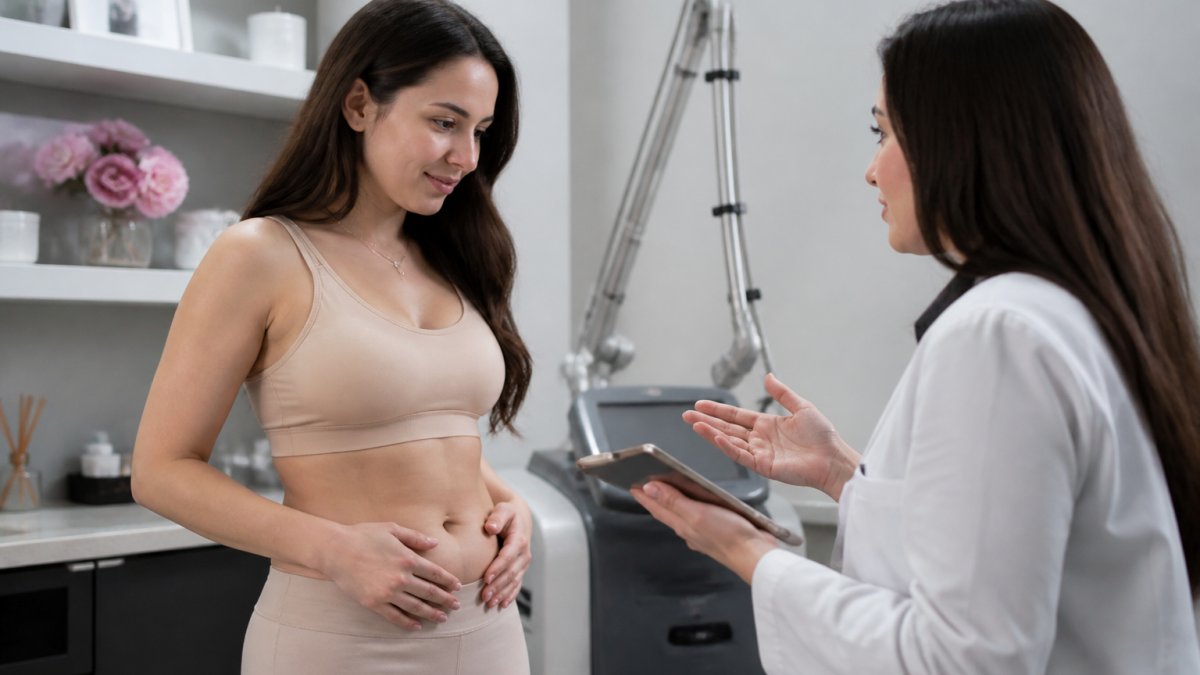
Postpartum loose skin treatment works best when it matches the cause. Laxity after pregnancy comes from stretched collagen and elastin, not just extra fat, so creams alone rarely deliver much.
A study published in the Journal of Cosmetic Dermatology reported that combined microwave and fractional CO2 laser treatment was safe and effective for postpartum abdominal laxity (pubmed.ncbi.nlm.nih.gov). The available summary gives no sample size or outcome figures, so treat it as a promising signal, not a guarantee.
What you can realistically expect:
- Firmer texture and improved tone over a course of sessions
- Gradual collagen stimulation, with results building over weeks
- Better results on mild to moderate laxity than on severe cases
- No replacement for surgery if skin removal is genuinely needed
At Glow with Fatima, we use a three-session protocol with CE and UKCA-certified medical-grade equipment. One session rarely tells the full story.
| Option | Best For | Typical Sessions | Downtime |
|---|---|---|---|
| Non-invasive laser | Mild laxity, texture | 3 or more | Minimal |
| Radiofrequency | Skin tone, mild firmness | 3 to 6 | Minimal |
| Fractional CO2 laser | Texture, stretch marks | 2 to 3 | Several days |
| Microneedling | Texture, scars | 3 or more | 1 to 2 days |
Laser Treatment for Stretch Marks While Breastfeeding
Laser treatment for stretch marks while breastfeeding needs more caution than abdominal tightening. Stretch marks sit in the dermis, and treating them often requires higher energy, which raises the risk of pigmentation changes.
The guidance is split. Some clinics treat breastfeeding mothers; others advise waiting. Given that inconsistency, we lean conservative.
Our advice: if you are breastfeeding, postpone stretch mark laser treatment until you have finished, or consider a gentler option such as microneedling after a consultation. Your skin is still stabilising, and waiting costs you nothing but a few months.
The Real Risks and Limitations Nobody Mentions
The risks of laser skin tightening are real, and they deserve a straight answer. Most are manageable, but only if your practitioner is honest about them.
The main ones:
- Post-inflammatory pigmentation, especially on darker skin tones.
- Burns or blistering from incorrect settings.
- Temporary redness and swelling, usually settling within days.
- Disappointing results if the treatment does not match your concern.
One limitation rarely mentioned: laser skin tightening improves laxity, but it will not remove loose skin. If you have significant skin excess after pregnancy, a surgical opinion may serve you better.
Where Each Option Wins: A Scenario-Based Guide
Different situations call for different choices.
The NHS guidance on cosmetic procedures is a useful starting point for anyone weighing up non-surgical treatment, and the MHRA guidance on medical devices explains what certification marks such as UKCA actually mean.
At Glow with Fatima, we assess each client individually because the right answer depends on your healing, your skin and your goals, not a fixed timeline.
Frequently Asked Questions
Is laser skin tightening safe after giving birth?
There is no single answer that covers every treatment. A systematic review of elective laser therapy during pregnancy found no risk to mother or foetus, but that does not establish postpartum safety. One study reported that combined microwave and fractional CO2 laser treatment was safe and effective for postpartum abdominal laxity, though the sample size and outcome measures were not detailed. Most clinics advise waiting at least six weeks after birth, and longer if you are breastfeeding or had a caesarean. A consultation with a clinician who reviews your medical history is the only reliable way to judge safety for your situation.
Can you have laser skin tightening while breastfeeding?
Guidance on laser skin tightening while breastfeeding is inconsistent. Some hospitals state that laser techniques are not categorised as unsafe for breastfeeding mothers, while other clinics advise against laser treatment for stretch marks during breastfeeding because hormonal fluctuations may make skin responses unpredictable. Neither position is backed by a large postpartum safety study. If you are breastfeeding and considering laser skin tightening, raise it explicitly at your consultation so the practitioner can assess the treatment type, your skin history and the area being treated before recommending a plan.
How soon after pregnancy can you have laser skin tightening?
Clinic recommendations vary. One clinic suggests waiting at least six weeks after birth before non-invasive laser body-contouring treatments, while another advises a few weeks for natural recovery. These are clinical opinions, not a medically established interval. Factors that may push the timeline back include breastfeeding, a caesarean section scar that is still healing, and any postpartum complications. A sensible approach is to wait until your six-week postnatal check, then book a consultation where a practitioner can confirm whether your skin and scar tissue are ready for laser skin tightening.
Can laser treatment tighten loose skin on the stomach after pregnancy?
Some evidence supports it for specific treatments. A study published in the Journal of Cosmetic Dermatology reported that combined ONDA Coolwaves microwave treatment and SmartXide2 fractional microablative CO2 laser treatment were safe and effective for postpartum abdominal laxity, though the search result did not provide sample size or outcome measurements. That is a narrow finding about one combination protocol, not proof that every laser skin tightening device will tighten loose skin on the stomach. Results depend on the device, the number of sessions and how much laxity you have. A practitioner should assess your abdominal wall before promising anything.
What are the risks of laser skin tightening after pregnancy?
The main risks are the same as for any laser treatment: discomfort, redness, swelling, pigment changes and, rarely, burns or scarring. Postpartum skin can be more reactive because hormone levels are still settling, and one clinic notes that hormonal fluctuations may make skin responses unpredictable during breastfeeding. If you have a darker skin tone or a healing caesarean scar, choose a practitioner who routinely treats both and can explain which device they will use and why.
Postpartum skin changes can feel overwhelming, and the conflicting advice does not help. The safest path is a proper assessment before any treatment. At Glow with Fatima, we offer evidence-based care built around your recovery, using CE and UKCA-certified equipment and a three-session protocol designed to stimulate natural collagen and elastin. Book a free consultation and we will tell you honestly whether now is the right time.
Your questions, answered
Is laser skin tightening safe after giving birth?
There is no single answer that covers every treatment. A systematic review of elective laser therapy during pregnancy found no risk to mother or foetus, but that does not establish postpartum safety. One study reported that combined microwave and fractional CO2 laser treatment was safe and effective for postpartum abdominal laxity, though the sample size and outcome measures were not detailed. Most clinics advise waiting at least six weeks after birth, and longer if you are breastfeeding or had a caesarean. A consultation with a clinician who reviews your medical history is the only reliable way to judge safety for your situation.
Can you have laser skin tightening while breastfeeding?
Guidance on laser skin tightening while breastfeeding is inconsistent. Some hospitals state that laser techniques are not categorised as unsafe for breastfeeding mothers, while other clinics advise against laser treatment for stretch marks during breastfeeding because hormonal fluctuations may make skin responses unpredictable. Neither position is backed by a large postpartum safety study. If you are breastfeeding and considering laser skin tightening, raise it explicitly at your consultation so the practitioner can assess the treatment type, your skin history and the area being treated before recommending a plan.
How soon after pregnancy can you have laser skin tightening?
Clinic recommendations vary. One clinic suggests waiting at least six weeks after birth before non-invasive laser body-contouring treatments, while another advises a few weeks for natural recovery. These are clinical opinions, not a medically established interval. Factors that may push the timeline back include breastfeeding, a caesarean section scar that is still healing, and any postpartum complications. A sensible approach is to wait until your six-week postnatal check, then book a consultation where a practitioner can confirm whether your skin and scar tissue are ready for laser skin tightening.
Can laser treatment tighten loose skin on the stomach after pregnancy?
Some evidence supports it for specific treatments. A study published in the Journal of Cosmetic Dermatology reported that combined ONDA Coolwaves microwave treatment and SmartXide2 fractional microablative CO2 laser treatment were safe and effective for postpartum abdominal laxity, though the search result did not provide sample size or outcome measurements. That is a narrow finding about one combination protocol, not proof that every laser skin tightening device will tighten loose skin on the stomach. Results depend on the device, the number of sessions and how much laxity you have. A practitioner should assess your abdominal wall before promising anything.
What are the risks of laser skin tightening after pregnancy?
The main risks are the same as for any laser treatment: discomfort, redness, swelling, pigment changes and, rarely, burns or scarring. Postpartum skin can be more reactive because hormone levels are still settling, and one clinic notes that hormonal fluctuations may make skin responses unpredictable during breastfeeding. If you have a darker skin tone or a healing caesarean scar, choose a practitioner who routinely treats both and can explain which device they will use and why.