how-to
Is Microneedling Safe While Breastfeeding?
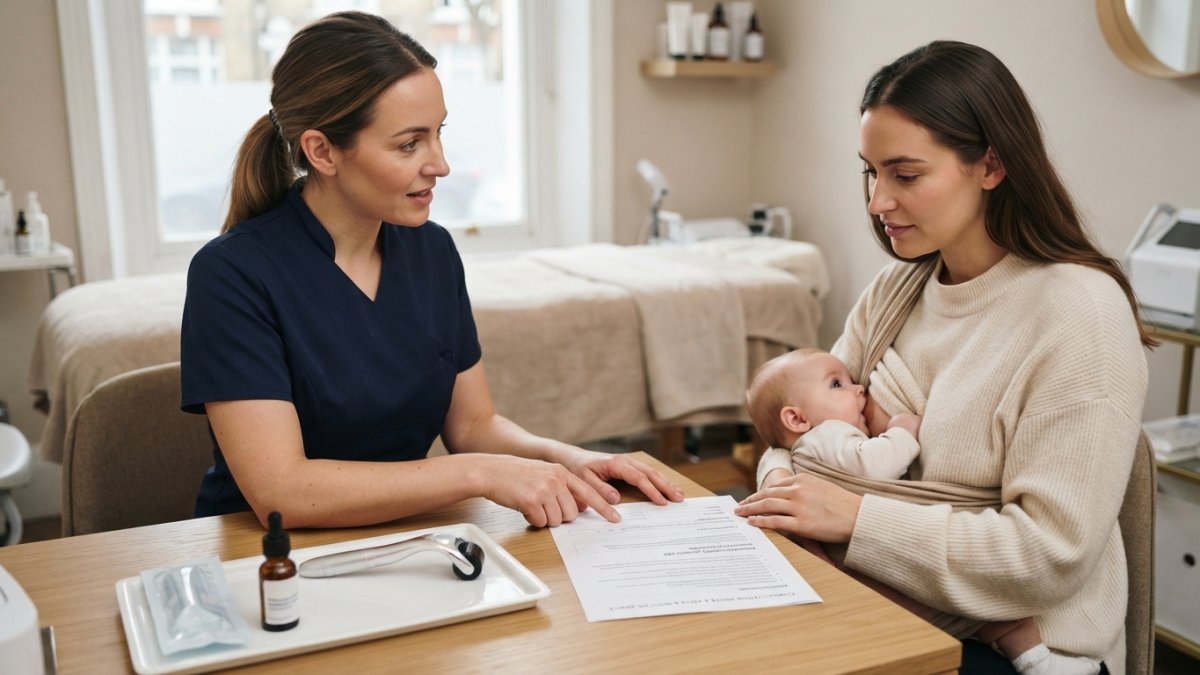
Table of Contents
- Is Microneedling Safe While Breastfeeding?
- What the Evidence Shows About Microneedling During Lactation
- Topical Anaesthetic While Breastfeeding: What You Need to Know
- Skin Treatments Safe While Breastfeeding: Your Options
- Microneedling Aftercare While Breastfeeding: Products and Precautions
- When to Have Microneedling After Pregnancy: Timing Considerations
- Your Questions About Microneedling and Breastfeeding Answered
- Moving Forward: A Personalised Approach to Skin Health
- Frequently Asked Questions
Last Updated: October 17, 2026
Is Microneedling Safe While Breastfeeding?
The question of whether is microneedling safe while breastfeeding sits at the intersection of skincare ambition and maternal caution. Many new mothers want to address postpartum skin changes, texture, laxity, fine lines, but understandably hesitate when lactation is involved. The honest answer: the evidence is mixed, advice varies by practitioner, and the safety profile depends on several factors beyond the procedure itself.
Many practitioners have worked with postpartum clients navigating this exact concern. The clinical picture isn't straightforward. Microneedling involves creating controlled micro-injuries to stimulate collagen production. The procedure itself, the needling action, doesn't directly enter the bloodstream or transfer systemically. But the products applied during and after treatment, plus the body's inflammatory response, warrant careful consideration when you're breastfeeding.
This guide examines what the available evidence tells us, explores the specific risks around topical products, and outlines safer alternatives or timing strategies for women prioritising both skin health and nursing safety.
What the Evidence Shows About Microneedling During Lactation
Direct research on microneedling specifically during breastfeeding is sparse. A comprehensive review by M. K. Trivedi and colleagues published in PubMed Central examined the safety of cosmetic procedures during pregnancy and lactation, noting that this remains a complex clinical question surrounded by uncertainty. The review highlights that many practitioners lack clear, evidence-based guidance.
What we do know comes from indirect sources and clinical reasoning. The microneedling procedure itself, the physical needling, creates localised trauma that triggers the body's natural healing response. This stimulates collagen and elastin production. The needles typically penetrate 0.5 to 2.5 millimetres into the skin, depending on the device and depth setting.
The concern isn't the needling itself. It's what happens next.
During the procedure, practitioners apply numbing creams, serums, and post-treatment products. Some of these formulations contain ingredients that may absorb systemically. After treatment, your skin is more permeable, the barrier is temporarily compromised. This increased permeability means topical products penetrate deeper than they would on intact skin.
Advice on microneedling while breastfeeding is not uniform. InfantRisk Centre guidance on microneedling while breastfeeding suggests the procedure can be safely performed during lactation. However, other practitioners take a more cautious stance. The inconsistency reflects genuine uncertainty rather than consensus.
The key variables:
- The specific products used during and after treatment
- Your individual absorption and metabolism
- The depth and intensity of the microneedling session
- Your baby's age and feeding patterns
Topical Anaesthetic While Breastfeeding: What You Need to Know
Topical anaesthetic while breastfeeding deserves particular attention because numbing creams are standard during microneedling. Common options include lidocaine, prilocaine, and benzocaine-based formulations.
Lidocaine is widely used in aesthetic procedures. When applied topically to intact skin, systemic absorption is minimal, typically under 5% of the applied dose. But microneedling compromises the skin barrier. The absorption increases significantly when the skin is freshly needled.
Research on lidocaine safety during lactation suggests that small amounts pose minimal risk. Lidocaine passes into breast milk in trace quantities. However, the concern isn't just transfer, it's whether your baby can metabolise it safely. Newborns and very young infants have immature liver function.
Prilocaine carries a different consideration. It metabolises to a compound called o-toluidine, which can theoretically cause methaemoglobinaemia in susceptible infants. This is rare, but the risk is higher in very young babies.
The practical approach many practitioners recommend: if you're breastfeeding, discuss the specific numbing agents with your clinician beforehand. Ask whether they can use formulations with lower systemic absorption, or whether postponing treatment until your baby is older might be prudent.
Post-treatment products matter equally. Retinoids, vitamin C serums, and certain peptide formulations are often applied after microneedling to maximise results. Many of these ingredients aren't well-studied in lactation.
Skin Treatments Safe While Breastfeeding: Your Options
If you're hesitant about microneedling during lactation, several alternatives can address postpartum skin concerns without the same uncertainty.
Chemical peels using gentle acids, glycolic, lactic, or mandelic acid, can improve texture and pigmentation. These work by exfoliating the outer skin layers, stimulating cell turnover. Absorption is minimal because the acids work on the surface and are neutralised during the treatment.
Hydrating facials and professional skincare can be transformative postpartum. Pregnancy and nursing deplete skin hydration and nutrients. Intensive hydration treatments, hyaluronic acid serums, and nourishing masks address texture and radiance without procedural risk. Results build gradually but safely.
LED light therapy uses specific wavelengths to stimulate collagen and reduce inflammation. Red light (630 nanometres) and near-infrared light (700-1100 nanometres) are commonly used. These therapies have no systemic absorption risk because light doesn't enter the bloodstream.
Microdermabrasion (mechanical exfoliation) removes dead skin cells through controlled abrasion. Like chemical peels, it works on the surface. Absorption risk is minimal. It's gentler than microneedling and doesn't create the same temporary barrier compromise.
Customised skincare protocols tailored to postpartum skin often yield remarkable results without procedures. High-quality serums, moisturisers, and targeted treatments, applied consistently, can address fine lines, texture, and radiance. This approach takes longer but carries no risk.
Microneedling Aftercare While Breastfeeding: Products and Precautions
If you decide to proceed with microneedling aftercare while breastfeeding, product selection becomes critical. The 48 hours following treatment are when your skin is most permeable and most vulnerable.
Immediately after microneedling, your skin is inflamed, sensitised, and compromised. Practitioners typically apply calming serums or growth factor products. Then you go home with aftercare instructions.
Here's where caution matters: avoid any post-treatment product you wouldn't feel comfortable ingesting, because absorption is higher than normal. This sounds extreme, but it reflects the reality of compromised skin barrier.
Safe aftercare options:
- Hyaluronic acid serums (hydration without systemic risk)
- Centella asiatica (cica) products (anti-inflammatory, minimal absorption)
- Niacinamide serums (supports barrier function)
- Fragrance-free, gentle moisturisers
- Mineral sunscreen (physical blockers only, not chemical)
Products to avoid post-treatment while breastfeeding:
- Retinoids (any form)
- Strong vitamin C formulations (high absorption potential)
- Salicylic or glycolic acids (irritating on freshly needled skin)
- Benzoyl peroxide (unnecessary irritation)
- Essential oils or fragrance (irritating, absorption risk)
The aftercare period typically lasts 5-7 days. Your skin gradually rebuilds its barrier. After this window, standard skincare resumes.
When to Have Microneedling After Pregnancy: Timing Considerations
When to have microneedling after pregnancy is a timing question with practical answers. If you're breastfeeding, waiting has genuine advantages.

Most lactation consultants and paediatricians suggest that systemic absorption risk decreases significantly once your baby reaches 3-4 months old. At this point, infant liver function has matured considerably.
If you're planning to breastfeed for an extended period, consider these milestones:
6 weeks postpartum: Too early. Your body is still recovering. Skin is often dehydrated and sensitised from hormonal shifts. Microneedling adds unnecessary stress.
3 months postpartum: Possible if you're comfortable with the absorption considerations. Your body has largely recovered. If your baby is formula-fed or combination-fed, risk is lower. If exclusively breastfeeding, many practitioners recommend waiting.
6 months postpartum: A reasonable sweet spot. Your baby's system is more mature. Many babies have started solids, reducing exclusive breastfeeding. Your postpartum body has stabilised.
12 months postpartum and beyond: Ideal timing. Breastfeeding is often less intensive. Your body has fully recovered. Absorption concerns are minimal.
The decision isn't just medical, it's personal. Some mothers prioritise addressing skin concerns immediately. Others prefer the peace of mind that waiting provides. Both choices are valid.
If you do proceed earlier, discuss your specific situation with your practitioner. Mention your baby's age, feeding method, and any health considerations.
Your Questions About Microneedling and Breastfeeding Answered
Can microneedling affect milk supply?
No direct evidence links microneedling to reduced milk supply. Milk production depends on frequent emptying and hormonal signalling, not skin procedures. However, stress and inadequate recovery can theoretically affect supply. If you're anxious about treatment safety, that stress might indirectly impact nursing.
Is the procedure painful while breastfeeding?
Pain tolerance doesn't change during lactation. Microneedling is mildly uncomfortable, often described as a light scratching sensation. Numbing cream reduces discomfort significantly. The concern isn't pain; it's the anaesthetic itself, which we've already discussed.
How many sessions do I need, and can I space them while breastfeeding?
Most protocols recommend 3-6 sessions spaced 4-6 weeks apart for optimal results. Spacing sessions further apart, say, 8-12 weeks, is possible and might reduce cumulative absorption concerns. A 3-session protocol is often designed for progressive improvement.
What if I'm combination feeding?
Combination feeding (breast and formula) reduces exclusive breastfeeding dependence and theoretically lowers absorption risk to your baby. Many practitioners feel more comfortable recommending microneedling in this scenario. The risk isn't eliminated, but it's lower.
Can I breastfeed immediately after treatment?
Yes. The procedure itself doesn't make breast milk unsafe. The concern is post-treatment products absorbed into your system. As long as you're using safe aftercare products, breastfeeding can continue normally. Some mothers find feeding uncomfortable if their breasts are sensitive post-procedure, this is rare but possible.
Moving Forward: A Personalised Approach to Skin Health
The safest path forward involves honest conversation with both your aesthetic practitioner and your GP or midwife. They understand your individual health history, your baby's age and health status, and your specific skin concerns.
Here's what that conversation might look like:
With your aesthetic practitioner:
- Disclose that you're breastfeeding and your baby's age
- Ask about the specific numbing agents and post-treatment products they use
- Discuss whether waiting is an option or whether a modified protocol is possible
- Request the gentlest effective depth and intensity for your goals
- Ask for aftercare product recommendations safe during lactation
With your GP or midwife:
- Ask whether they see any contraindications specific to your situation
- Discuss your baby's feeding method and age
- Get their perspective on timing
Postpartum skin changes are real. The desire to address texture, laxity, and fine lines is valid. But so is the caution around breastfeeding. The evidence suggests that is microneedling safe while breastfeeding isn't a simple yes or no, it's a nuanced decision based on your specific circumstances, your baby's age, your feeding method, and the products involved.
Many women successfully have microneedling while breastfeeding by waiting until their baby is older, using safer products, and working with practitioners who understand lactation considerations. Others choose to wait until they've finished nursing. Both approaches are reasonable.
Prioritising safety alongside results is crucial. If you're considering microneedling and breastfeeding, discussing your specific situation with a practitioner can help you make an informed choice. Clinical guidance on postpartum aesthetic treatments from major aesthetic medicine associations continues to evolve as more evidence emerges. Your personalised consultation ensures your treatment aligns with your health, your baby's wellbeing, and your skin goals.
Frequently Asked Questions
Is microneedling safe while breastfeeding?
The procedure itself carries minimal systemic risk during breastfeeding. However, safety depends on what products are applied during and after treatment. The main concern isn't the microneedling itself but the topical ingredients used alongside it. Work with a practitioner who understands breastfeeding safety and can recommend products safe for lactation. A personalised consultation ensures your specific situation is assessed properly.
Are topical anaesthetics safe to use while breastfeeding?
Standard topical anaesthetics used in aesthetic treatments have minimal systemic absorption when applied to small facial areas. However, absorption varies by product and application method. Some practitioners recommend avoiding certain numbing creams during breastfeeding as a precaution. The safest approach is to discuss specific products with your practitioner beforehand and confirm they're compatible with breastfeeding before your appointment.
What skin treatments are safe while breastfeeding?
Many non-invasive treatments are considered safe during lactation, including gentle facials, chemical peels with safe ingredients, and microneedling with appropriate aftercare products. Treatments to avoid include those using systemic medications, retinoids with high absorption rates, and procedures requiring strong topical agents. The key is choosing treatments and products with minimal systemic absorption and discussing your breastfeeding status with your practitioner beforehand.
When should I have microneedling after pregnancy?
Most practitioners recommend waiting until breastfeeding is complete to avoid any uncertainty about product safety. If you're keen to start earlier, discuss timing with your practitioner, some suggest waiting for physical recovery. The ideal timing balances your skin goals, breastfeeding plans, and personal comfort. A free consultation can help determine what's right for your circumstances.
What should I do for aftercare if I have microneedling while breastfeeding?
Aftercare products matter significantly when breastfeeding. Use gentle, fragrance-free moisturisers and mineral sunscreen rather than products with high concentrations of active ingredients. Avoid retinoids, vitamin C serums with uncertain absorption, and strong chemical actives during the healing phase. Stick to soothing, simple products and follow your practitioner's recommendations closely.
Postpartum skin deserves expert attention, but not at the expense of nursing safety. Book a free consultation with Glow with Fatima to discuss whether microneedling is right for you now, or whether timing your treatment for later makes more sense. We'll help you achieve the skin confidence you're after, safely and sustainably.
Your questions, answered
Is microneedling safe while breastfeeding?
The procedure itself carries minimal systemic risk during breastfeeding. However, safety depends on what products are applied during and after treatment. The main concern isn't the microneedling itself but the topical ingredients used alongside it. Work with a practitioner who understands breastfeeding safety and can recommend products safe for lactation. A personalised consultation ensures your specific situation is assessed properly.
Are topical anaesthetics safe to use while breastfeeding?
Standard topical anaesthetics used in aesthetic treatments have minimal systemic absorption when applied to small facial areas. However, absorption varies by product and application method. Some practitioners recommend avoiding certain numbing creams during breastfeeding as a precaution. The safest approach is to discuss specific products with your practitioner beforehand and confirm they're compatible with breastfeeding before your appointment.
What skin treatments are safe while breastfeeding?
Many non-invasive treatments are considered safe during lactation, including gentle facials, chemical peels with safe ingredients, and microneedling with appropriate aftercare products. Treatments to avoid include those using systemic medications, retinoids with high absorption rates, and procedures requiring strong topical agents. The key is choosing treatments and products with minimal systemic absorption and discussing your breastfeeding status with your practitioner beforehand.
When should I have microneedling after pregnancy?
Most practitioners recommend waiting until breastfeeding is complete to avoid any uncertainty about product safety. If you're keen to start earlier, discuss timing with your practitioner—some suggest waiting for physical recovery. The ideal timing balances your skin goals, breastfeeding plans, and personal comfort. A free consultation can help determine what's right for your circumstances.
What should I do for aftercare if I have microneedling while breastfeeding?
Aftercare products matter significantly when breastfeeding. Use gentle, fragrance-free moisturisers and mineral sunscreen rather than products with high concentrations of active ingredients. Avoid retinoids, vitamin C serums with uncertain absorption, and strong chemical actives during the healing phase. Stick to soothing, simple products and follow your practitioner's recommendations closely.