blog
Is Subcision for Acne Scars Worth It in 2026?
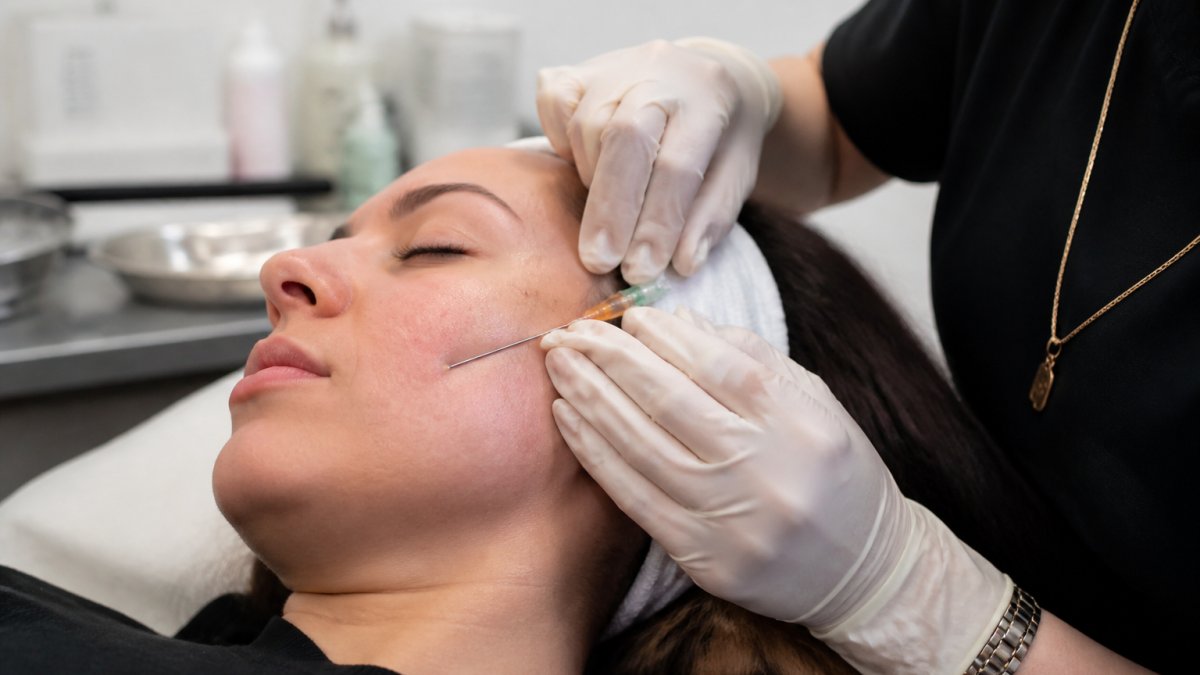
Table of Contents
- What Subcision for Acne Scars Actually Delivers
- Subcision vs Microneedling for Acne Scars
- Subcision Recovery Time and What to Expect
- Cost of Subcision for Acne Scars in the UK
- Who Sees the Best Results from Subcision
- Realistic Expectations: When Subcision Falls Short
- The Case for Combining Subcision with Other Treatments
- Frequently Asked Questions
Last Updated: September 28, 2026
What Subcision for Acne Scars Actually Delivers
Subcision is a minimally invasive procedure that breaks apart scar tissue beneath the skin's surface to encourage natural collagen regrowth. The technique uses a needle or cannula to separate fibrous bands that tether depressed scars, allowing the skin to lift and smooth over time. For people struggling with acne scarring, this approach addresses the root problem rather than simply treating the surface.
The results speak clearly. According to Journal of Clinical and Aesthetic Dermatology research, 95.6% of patients with severe acne scars saw overall improvement after subcision combined with microneedling. More specifically, 17.8% perceived a 75 to 100 percent improvement in their scars, while 24.4% saw improvements between 50 and 74 percent. That's substantial progress for a procedure that takes less than an hour.
Patient satisfaction runs high. Data from RealSelf patient reviews shows that 82% of people rate subcision as "worth it" based on recent patient ratings. This isn't marketing hype, it's real people reporting real outcomes.
Understanding realistic timelines matters enormously. Most people expect instant results. The truth is different. Improvement happens gradually as your body produces new collagen. This takes time, but it's also why the results last.
Subcision vs Microneedling for Acne Scars
These two procedures address scars differently, and they work best when combined. Here's the critical distinction: subcision breaks apart scar tissue mechanically, while microneedling stimulates collagen production through controlled injury.
Subcision targets the tethered bands pulling scars downward. It physically separates the scar from underlying tissue. Microneedling creates thousands of tiny punctures that trigger your body's natural healing response. One releases the scar. The other rebuilds skin quality.
The research is clear on combination therapy. According to Journal of Clinical and Aesthetic Dermatology findings, the 95.6% improvement rate comes from using both techniques together. Subcision alone provides a foundation. Microneedling amplifies the result.
Key differences between the approaches:
| Factor | Subcision | Microneedling | Combined Approach |
|---|---|---|---|
| What it does | Releases tethered scar tissue | Stimulates collagen production | Releases scars AND rebuilds skin |
| Best for | Rolling, boxcar scars | Texture, fine scars | Severe, deep acne scarring |
| Depth of treatment | Deep (below dermis) | Superficial to mid-dermis | Full skin regeneration |
| Results timeline | 3-6 months | 6-12 weeks | 6-12 months for full benefit |
| Pain level | Moderate | Mild to moderate | Moderate |
Practitioners increasingly recommend combination therapy. Clinical observations emphasise that subcision combined with CO2 fractional lasers, skin boosters, Sculptra, or platelet-rich plasma maximises aesthetic outcomes. Single-treatment approaches leave results on the table.
Subcision Recovery Time and What to Expect
Recovery from subcision is genuinely manageable. Most people return to normal activities within 3-5 days. This isn't a procedure that requires weeks off work or social isolation.
The immediate aftermath involves mild swelling and redness. You'll see bruising in some cases, typically light purple or yellow discolouration that fades within a week. Tenderness at the injection sites is normal. Expect sensitivity when washing your face for the first few days.
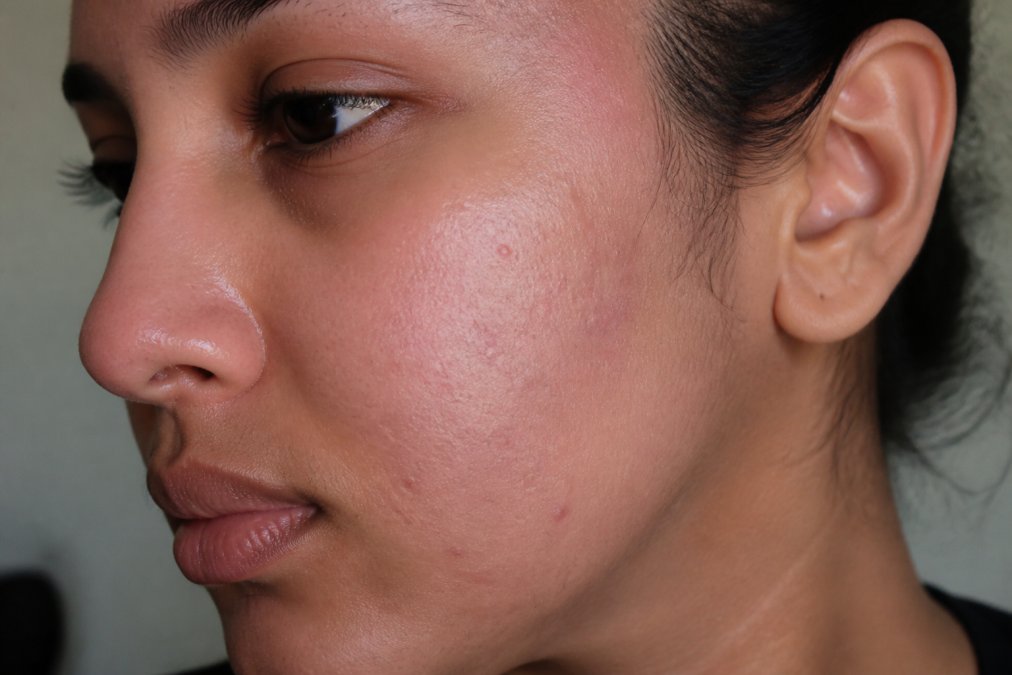
Here's the recovery timeline:
- Days 1-2: Swelling peaks. Redness visible. Avoid strenuous exercise and hot showers.
- Days 3-5: Swelling decreases. Bruising may darken before fading. You can resume light activity.
- Days 6-7: Most visible signs resolve. Makeup covers any remaining marks.
- Weeks 2-4: Skin settles. Collagen remodelling begins beneath the surface.
- Months 1-6: Gradual improvement as new collagen develops. Results continue improving.
Activity restrictions matter. Avoid heavy exercise, saunas, and intense heat for one week post-procedure. These increase blood flow and prolong swelling. Most people can return to normal workouts by day 5-7.
Aftercare is straightforward. Keep the area clean. Use gentle, fragrance-free skincare. Apply sunscreen daily, your healing skin is more sensitive to UV damage. Many practitioners recommend avoiding vitamin C and retinol for one week to prevent irritation.
Cost of Subcision for Acne Scars in the UK
Subcision pricing varies significantly based on scar severity, the number of areas treated, and whether you combine it with additional procedures.
The real cost consideration is this: subcision rarely works as a standalone treatment. Most people see better results when combining subcision with microneedling, laser therapy, or other collagen-stimulating treatments. That combination increases total cost but dramatically improves outcomes.
Many clinics offer package pricing for multiple sessions. Three sessions spaced 4-6 weeks apart is the standard protocol for significant improvement.
Insurance doesn't typically cover subcision for acne scars, as it's often classified as a cosmetic treatment. However, if scarring resulted from injury or surgery, some policies may contribute, so it's always best to check with your provider.
Budget for aftercare too. You'll need gentle skincare products, sunscreen, and potentially additional treatments like LED light therapy to support healing.
At Glow with Fatima, we work with clients to build treatment plans that match both their scar concerns and their budget. Our 3-session protocol is designed for optimal results.
Who Sees the Best Results from Subcision
Not everyone responds identically to subcision. Certain factors predict stronger outcomes.
You'll likely see excellent results if:
- Your scars are rolling or boxcar type (depressed, not raised)
- Scarring is moderate to severe
- You're willing to complete a full treatment protocol
- Your skin is generally healthy with good healing capacity
- You combine subcision with complementary treatments
Results may be limited if:
- Scars are very shallow or minor
- You have ice-pick scars (narrow, deep puncture marks)
- Skin healing is compromised by certain medical conditions
- You expect results from a single treatment
- You're unable to follow aftercare instructions
Age matters somewhat. Younger skin typically heals faster and produces collagen more readily. People in their 20s and 30s often see faster improvement. This doesn't mean older skin won't respond, it just takes slightly longer.
Skin type affects outcomes too. Darker skin tones can experience post-inflammatory hyperpigmentation, so careful technique matters. Practitioners experienced with diverse skin types adjust approach accordingly. Fair skin generally shows results more quickly.
Your commitment to the full protocol determines results. One session rarely delivers dramatic improvement. Three sessions spaced properly? That's where transformation happens. Patients who complete a recommended series often achieve significant improvement in scar appearance.
Realistic Expectations: When Subcision Falls Short
Here's what most guides won't tell you: subcision doesn't work perfectly for everyone. Some patients see minimal improvement despite completing full treatment protocols.
Certain scar types resist subcision. Ice-pick scars, narrow, deep puncture marks, often need different approaches like TCA chemical peels or punch grafting. Subcision releases tethered tissue, but it can't fill a narrow, deep hole. Rolling scars respond beautifully. Ice-pick scars? Not so much.
Individual skin response varies dramatically. Some people's bodies produce abundant collagen after subcision. Others produce less. This genetic variation means two people receiving identical treatment can see vastly different results. One might achieve 80% improvement.
The Case for Combining Subcision with Other Treatments
The timeline for combination therapy looks like this:
- Week 1: Subcision procedure
- Week 2-3: Swelling resolves. Skin settles.
- Week 4: Complementary treatment (laser, PRP, or booster injection)
- Weeks 5-12: Collagen remodelling accelerates
- Months 3-6: Full results emerge as new collagen matures
At Glow with Fatima, we design treatment protocols combining evidence-based approaches for your specific scar type. Our 3-session protocol integrates subcision with microneedling and other targeted therapies to maximise results.
Frequently Asked Questions
How effective is subcision for deep acne scars?
Subcision is highly effective for deep, tethered acne scars. Clinical research shows 95.6% of patients with severe acne scars saw overall improvement when subcision was combined with microneedling. Studies report 10-50% improvement for rolling and boxcar scars, with 70-80% of patients reporting noticeable improvement overall. However, results depend on scar type and individual skin response.
What is the recovery time after subcision for acne scars?
Most patients tolerate subcision well under local anaesthesia, with recovery typically taking 5-7 days for visible swelling and redness to subside. Full results develop gradually as collagen rebuilds, with improvements often visible for up to a year post-procedure. Bruising and minor discomfort are normal and resolve within the first week. Your practitioner will provide specific aftercare instructions based on your skin.
How does subcision compare to microneedling for treating acne scars?
Subcision releases tethered scar tissue by breaking fibrous bands beneath the skin, whilst microneedling stimulates collagen through controlled injury. For severe, deep scars, subcision is often more effective alone. However, combining both treatments, as many practitioners now do, produces superior results. The choice depends on scar depth, type, and your skin's response. A consultation with a qualified practitioner helps determine the best approach for your specific scarring.
Does subcision work for all types of acne scars?
Subcision works best for atrophic (depressed) scars like rolling and boxcar scars that are tethered beneath the skin. It is less effective for hypertrophic (raised) scars or very shallow surface scars. Individual results vary significantly based on scar severity, skin type, and how your skin responds to the procedure. Some patients report minimal improvement, whilst others see dramatic results. A consultation with an experienced practitioner can assess whether subcision is suitable for your specific scarring pattern.
Your questions, answered
How effective is subcision for deep acne scars?
Subcision is highly effective for deep, tethered acne scars. Clinical research shows 95.6% of patients with severe acne scars saw overall improvement when subcision was combined with microneedling. Studies report 10-50% improvement for rolling and boxcar scars, with 70-80% of patients reporting noticeable improvement overall. However, results depend on scar type and individual skin response.
What is the recovery time after subcision for acne scars?
Most patients tolerate subcision well under local anaesthesia, with recovery typically taking 5-7 days for visible swelling and redness to subside. Full results develop gradually as collagen rebuilds, with improvements often visible for up to a year post-procedure. Bruising and minor discomfort are normal and resolve within the first week. Your practitioner will provide specific aftercare instructions based on your skin.
How does subcision compare to microneedling for treating acne scars?
Subcision releases tethered scar tissue by breaking fibrous bands beneath the skin, whilst microneedling stimulates collagen through controlled injury. For severe, deep scars, subcision is often more effective alone. However, combining both treatments—as many practitioners now do—produces superior results. The choice depends on scar depth, type, and your skin's response. A consultation with a qualified practitioner helps determine the best approach for your specific scarring.
Does subcision work for all types of acne scars?
Subcision works best for atrophic (depressed) scars like rolling and boxcar scars that are tethered beneath the skin. It is less effective for hypertrophic (raised) scars or very shallow surface scars. Individual results vary significantly based on scar severity, skin type, and how your skin responds to the procedure. Some patients report minimal improvement, whilst others see dramatic results. A consultation with an experienced practitioner can assess whether subcision is suitable for your specific scarring pattern.