comparison
Medical-Grade Facial: Worth the Cost in 2026?
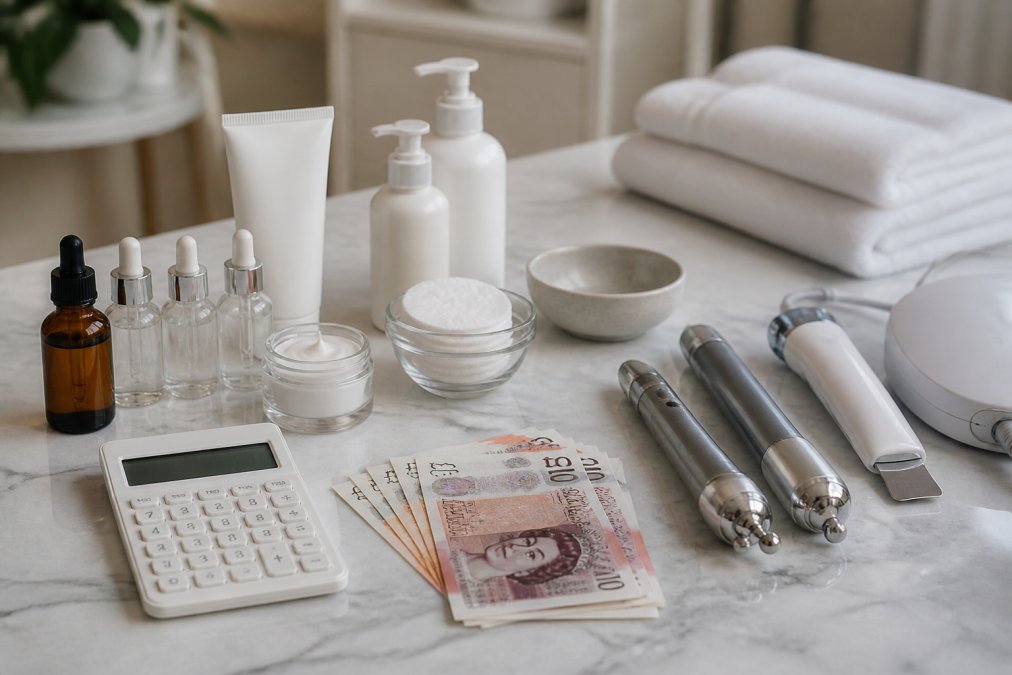
Table of Contents
- What You're Actually Paying For: Medical-Grade Facial Costs Explained
- Medical-Grade Skincare vs Over-the-Counter: The Clinical Difference
- How Often to Get a Medical Facial for Measurable Results
- Benefits of Clinical Facials: What the Evidence Shows
- Medical-Grade Facials vs Spa Treatments: Breaking Down the Difference
- Who Sees Real Value: Realistic Expectations and Use Cases
- Conclusion: Is the Investment Right for Your Skin?
- Frequently Asked Questions
Last Updated: September 18, 2026
What You're Actually Paying For: Medical-Grade Facial Costs Explained
When you book a medical-grade facial, understanding the medical-grade facial cost helps you recognise you're not just paying for someone to apply products to your face for an hour. You're paying for access to formulations that contain active ingredients at concentrations far exceeding what's available over the counter, applied by trained professionals using evidence-based protocols. The difference between a basic facial at a high-street salon and a medical-grade facial isn't simply a markup, it's a fundamentally different treatment.
The global medical-grade skincare market is projected to reach £97 billion by 2032, growing at 8.44% annually, which signals that consumers increasingly recognise the distinction market growth analysis. At Glow with Fatima, we've spent years helping clients understand exactly what they're investing in when they choose clinical treatments over conventional facials.
Medical-grade facials use products formulated with pharmaceutical-grade actives. SkinCeuticals Phloretin CF, for example, contains 2% phloretin combined with 10% L-ascorbic acid and 0.5% ferulic acid, concentrations that trigger measurable skin changes. A basic salon cleanser, by contrast, is designed purely for cleansing. The cost difference reflects not just the product quality but the clinical knowledge required to layer these actives safely and effectively.
Luxury medical-grade treatments can reach £800 or more per session clinical treatment pricing analysis, particularly for advanced procedures combining multiple modalities. That investment covers specialist consultation, bespoke formulation selection, advanced equipment, and post-treatment protocols designed to maximise results and minimise adverse effects.
Medical-Grade Skincare vs Over-the-Counter: The Clinical Difference
The distinction between medical-grade and over-the-counter skincare isn't marketing speak, it's rooted in formulation chemistry and regulatory classification. Over-the-counter products are limited to certain active ingredient concentrations and cannot make therapeutic claims. Medical-grade formulations operate under different regulatory frameworks, allowing higher concentrations of actives and stronger clinical substantiation.
Research from the National Centre for Biotechnology Information demonstrated that stackable medical-grade skincare regimens produced measurable improvements in skin hydration, surface texture, pigmentation, and vascular appearance clinical evidence on medical-grade skincare efficacy. That's not subjective improvement, those are quantifiable changes tracked through objective measurement.
The price reflects this clinical advantage. SkinCeuticals Simply Clean is formulated with a blend of botanical extracts and sulphonic acid for gentle exfoliation, professional-grade cleansing that outperforms supermarket alternatives. Yet it's still positioned as an entry point to medical-grade skincare. The real investment comes when you layer prescription-strength actives like retinoids, vitamin C serums at therapeutic concentrations, and professional-grade hydrators.
Over-the-counter skincare can absolutely deliver results. Many people see improvement using affordable, well-formulated products applied consistently. The contrarian truth, however, is that medical-grade skincare isn't inherently superior for everyone. Effectiveness depends on your specific skin goals, consistency with application, and whether your skin barrier can tolerate higher active concentrations. Some people see transformative results; others see marginal improvement that doesn't justify the cost premium.
How Often to Get a Medical Facial for Measurable Results
Booking a single medical-grade facial won't transform your skin. Results compound through consistent treatment at intervals that allow your skin to respond and regenerate. Most practitioners recommend a series of three to six sessions spaced two to four weeks apart, depending on your skin concern and treatment modality.
The 3-session protocol has become standard in clinical settings because it aligns with your skin's natural regeneration cycle. After the first session, your skin begins producing new collagen and elastin. The second session intensifies that response. By the third session, you're seeing cumulative results, improved texture, visible reduction in fine lines, and more even tone. This is why many practices, including Glow with Fatima, structure their foundational offerings around three-session packages.
Maintenance frequency varies by treatment type and individual skin response. Some clients benefit from monthly sessions; others see sustained results with quarterly treatments. The key variable is your skin's recovery capacity and how quickly concerns reappear. Someone addressing post-partum skin laxity might need more frequent sessions initially, then transition to maintenance. Someone targeting preventative "prejuvenation" might start with quarterly treatments.
Spacing matters as much as frequency. Treatments spaced too close together can overwhelm your skin's barrier and trigger sensitivity. Treatments spaced too far apart allow your skin to revert to baseline. The sweet spot, typically two to four weeks, gives your skin time to recover whilst maintaining momentum in collagen remodelling.
Benefits of Clinical Facials: What the Evidence Shows
Medical-grade facials deliver measurable benefits when applied through evidence-based protocols. The clinical evidence supports improvements in texture, elasticity, pigmentation, and fine lines, the exact concerns driving demand for these treatments.
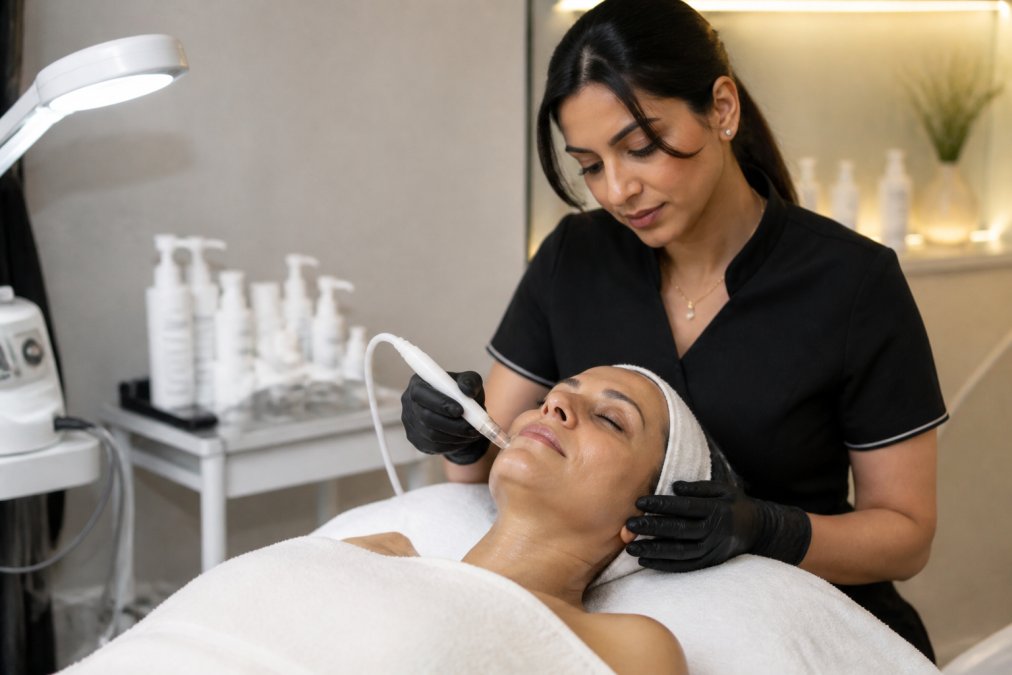
Skin texture improvement is perhaps the most visible benefit. Clinical facials using microneedling, chemical peels, or laser modalities trigger controlled inflammation that stimulates fibroblast activity and collagen synthesis. Your skin responds by producing new, organised collagen fibres, which smooths surface irregularities and refines pore appearance. This isn't temporary swelling, it's structural remodelling that deepens over weeks as collagen continues to lay down.
Dark circles and under-eye concerns respond particularly well to clinical facials because the eye area's thin, delicate skin responds rapidly to stimulation. Treatments targeting vascular appearance and dermal thickening can noticeably reduce the shadowing and hollowness that make people look fatigued. Results typically become apparent after two to three sessions.
Pigmentation and post-inflammatory hyperpigmentation improve through targeted treatments that either inhibit melanin production or physically remove pigmented cells. Medical-grade vitamin C serums and professional-strength chemical peels work synergistically to address both surface and deeper pigmentation. Results require patience, pigmentation takes time to fade, but the improvement is measurable and sustained.
Fine lines and early-stage wrinkles respond well because clinical facials address the underlying cause: loss of dermal volume and elasticity. By stimulating collagen and elastin production, treatments literally rebuild the structural support beneath your skin. This is fundamentally different from topical anti-wrinkle creams, which work primarily through hydration and surface smoothing.
| Concern | Clinical Facial Benefit | Timeline to Results | Maintenance |
|---|---|---|---|
| Texture irregularities | Significant smoothing through collagen remodelling | 4-8 weeks | Quarterly treatments |
| Dark circles | Reduced vascular appearance and dermal thickening | 2-3 sessions | Monthly or quarterly |
| Pigmentation | Measurable lightening through inhibition and removal | 8-12 weeks | Quarterly with sun protection |
| Fine lines | Structural improvement through volume restoration | 6-12 weeks | Monthly or as needed |
| Acne scarring | Progressive softening of scar edges | 3-6 months | Ongoing based on response |
Medical-Grade Facials vs Spa Treatments: Breaking Down the Difference
A spa facial and a medical-grade facial operate in entirely different frameworks. Understanding that difference is crucial to evaluating whether the cost premium makes sense for your needs.
Spa facials prioritise relaxation and immediate skin feel-good results. They use professional-quality skincare products, often better than high-street alternatives, applied with massage and techniques designed to feel luxurious. Your skin looks radiant immediately after because of hydration and increased circulation. That radiance fades within days because the treatment doesn't trigger structural change. Spa facials are excellent for maintenance, stress relief, and keeping skin healthy between clinical treatments. They're not designed to address significant skin concerns.
Medical-grade facials are clinical interventions. They use evidence-based protocols, often combining multiple modalities (microneedling, chemical peels, radiofrequency, LED therapy) to trigger specific physiological responses. The goal isn't immediate gratification, it's measurable improvement in skin structure and function. Your skin might look slightly irritated immediately post-treatment because controlled inflammation is part of the mechanism. Within days, as your skin heals, visible improvement emerges. Within weeks, structural changes become apparent.
The cost difference reflects this fundamental distinction.
Who Sees Real Value: Realistic Expectations and Use Cases
Not everyone benefits equally from medical-grade facials. Understanding whether you're a realistic candidate helps you avoid spending money on treatments unlikely to deliver meaningful results.
Conclusion: Is the Investment Right for Your Skin?
Medical-grade facials are worth the cost if you have a specific skin concern, commit to a treatment series, and choose a practitioner with genuine clinical expertise. They're not worth the cost if you're seeking a one-off pampering experience or expecting transformation without consistency.
Frequently Asked Questions
What is the difference between a medical-grade facial and a spa facial?
A medical-grade facial uses clinical-strength active ingredients, professional-grade equipment, and is administered by trained practitioners with clinical expertise. Spa facials typically use gentler, over-the-counter formulations and focus on relaxation. Medical-grade treatments penetrate deeper into the skin and address specific concerns like pigmentation, scarring, and fine lines with measurable clinical results. Spa facials prioritise comfort and pampering over therapeutic outcomes.
How often should you get a medical-grade facial for visible results?
Most practitioners recommend a series of treatments for optimal results, typically 3 sessions spaced 2-4 weeks apart, depending on your skin concern and the treatment type. After the initial protocol, maintenance sessions every 4-6 weeks help sustain benefits. Clinical research supports stackable regimens that build results progressively. Your practitioner will recommend a schedule based on your specific skin goals and response to treatment.
Are medical-grade facials suitable for sensitive skin?
Yes, when performed by a qualified practitioner. Medical-grade treatments can be customised to suit sensitive skin by adjusting ingredient strength, treatment intensity, and frequency. The clinical expertise of the practitioner matters significantly, they assess your skin barrier and tailor the protocol accordingly. Always discuss sensitivities and skin history before treatment to ensure safety and prevent adverse reactions.
Do medical-grade facials provide long-term skin benefits?
Yes. Clinical research demonstrates that stackable medical-grade skincare regimens produce measurable improvements in hydration, texture, pigmentation, and skin elasticity. Results deepen with consistent treatment and maintenance. However, long-term benefits depend on adherence to the protocol and ongoing maintenance, results are not permanent without continued care. Your skin will revert to its baseline without regular treatments or a solid home-care routine.
Your questions, answered
What is the difference between a medical-grade facial and a spa facial?
A medical-grade facial uses clinical-strength active ingredients, professional-grade equipment, and is administered by trained practitioners with clinical expertise. Spa facials typically use gentler, over-the-counter formulations and focus on relaxation. Medical-grade treatments penetrate deeper into the skin and address specific concerns like pigmentation, scarring, and fine lines with measurable clinical results. Spa facials prioritise comfort and pampering over therapeutic outcomes.
How often should you get a medical-grade facial for visible results?
Most practitioners recommend a series of treatments for optimal results—typically 3 sessions spaced 2–4 weeks apart, depending on your skin concern and the treatment type. After the initial protocol, maintenance sessions every 4–6 weeks help sustain benefits. Clinical research supports stackable regimens that build results progressively. Your practitioner will recommend a schedule based on your specific skin goals and response to treatment.
Are medical-grade facials suitable for sensitive skin?
Yes, when performed by a qualified practitioner. Medical-grade treatments can be customised to suit sensitive skin by adjusting ingredient strength, treatment intensity, and frequency. The clinical expertise of the practitioner matters significantly—they assess your skin barrier and tailor the protocol accordingly. Always discuss sensitivities and skin history before treatment to ensure safety and prevent adverse reactions.
Do medical-grade facials provide long-term skin benefits?
Yes. Clinical research demonstrates that stackable medical-grade skincare regimens produce measurable improvements in hydration, texture, pigmentation, and skin elasticity. Results deepen with consistent treatment and maintenance. However, long-term benefits depend on adherence to the protocol and ongoing maintenance—results are not permanent without continued care. Your skin will revert to its baseline without regular treatments or a solid home-care routine.