comparison
Microneedling vs Chemical Peels for Acne Scars: 2026 Guide
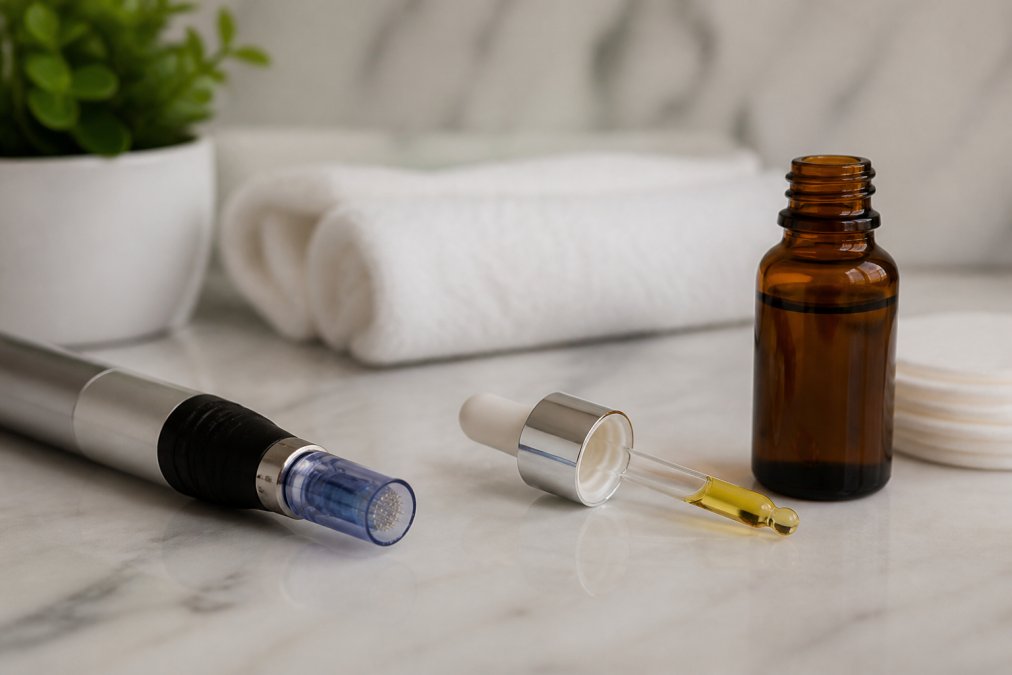
Table of Contents
- Microneedling vs Chemical Peels for Acne Scars: A Quick Comparison
- How Each Treatment Works on Acne Scars
- Effectiveness by Acne Scar Type
- Downtime After Microneedling
- Chemical Peel Recovery Stages
- Cost Considerations and Session Protocols
- Best Clinical Treatments for Pitted Acne Scars
- Frequently Asked Questions
Last Updated: September 16, 2026
Microneedling vs Chemical Peels for Acne Scars: A Quick Comparison
Microneedling vs chemical peels for acne scars is the comparison most people researching scar treatment eventually arrive at, and the answer is not a simple one. According to comparative clinical outcomes for acne scar rejuvenation, microneedling delivered significant improvement in 73% of cases versus 35% for chemical peels. At Glow with Fatima, we see this split play out in practice: the right choice depends on your scar type, not on which treatment is trending. This guide breaks down how each works, what recovery looks like, and which one suits which scars.
Microneedling is a collagen-induction treatment that uses fine sterile needles to create controlled micro-injuries in the dermis, triggering the skin's repair response. Chemical peels are resurfacing treatments that apply acids to remove damaged surface layers and even out pigmentation and texture.
| Factor | Microneedling | Chemical Peels |
|---|---|---|
| Best scar type | Rolling, pitted, deep | Surface discolouration, mild texture |
| Depth reached | Dermis | Epidermis |
| Downtime | 24-72 hours | 3-10 days |
| Typical sessions | 3-6 | 4-6 |
| Cost per session | From £200 | From £100 |
How Each Treatment Works on Acne Scars
The two treatments work at different depths, which explains why they suit different scar types. That distinction is the single most useful thing to understand before choosing between them.
Microneedling: Collagen Induction at the Dermal Level
Microneedling reaches the dermis, where scar tissue actually forms. Fine needles create micro-channels that break down fibrotic tissue and stimulate fresh collagen and elastin. Devices such as Raffine medical-grade microneedling system control needle depth precisely, which matters for indented scarring. The result is gradual remodelling over weeks, not immediate surface change.
Chemical Peels: Surface-Layer Resurfacing
Chemical peels strip damaged cells from the epidermis using acids such as glycolic, salicylic, or lactic. A systematic review and meta-analysis of atrophic acne scar treatments found that 48.4% of participants in chemical peel groups reported excellent outcomes, compared with 15.6% in microneedling groups. That gap reflects how the two studies measured surface-level improvement, not overall scar correction. Peels excel at pigmentation and tone; they rarely reach the depth of a pitted scar.
Effectiveness by Acne Scar Type
Scar type determines the winner more than anything else. Matching the modality to the scar is where clinical results are won or lost.
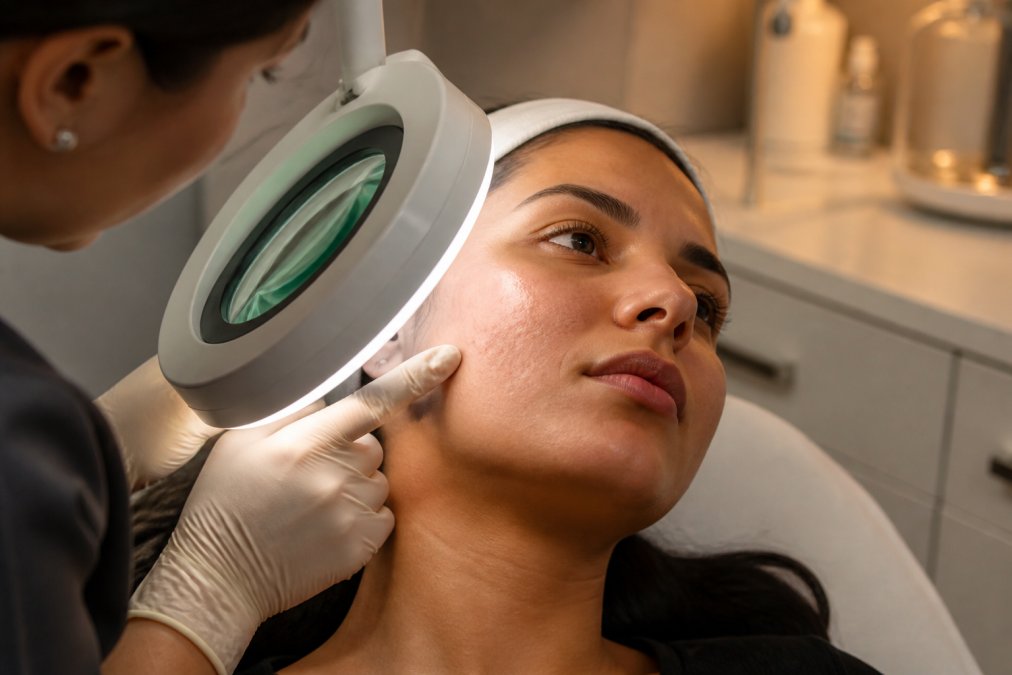
Rolling and pitted scars respond better to microneedling because the needles reach the dermal tissue holding the depression in place. Icepick scars are the exception: research published by F. Ishfaq in PMC suggests chemical peels can produce a stronger response for this narrower scar type. For surface discolouration left behind after active acne, peels are the more direct route. In practice, many clients present with a mix of scar types, which is why combination protocols now dominate clinical thinking.
Downtime After Microneedling
Downtime after microneedling is typically 24 to 72 hours of redness and mild sensitivity, considerably shorter than most chemical peels. Most clients return to work the next day with light makeup, though deeper treatments for pitted scarring may cause pinpoint bleeding and mild swelling for 48 hours. A Journal of Clinical and Aesthetic Dermatology study found microneedling outperformed 35% glycolic acid peels for acne scars, with a recovery profile most clients find manageable. Avoid active ingredients and sun exposure for five days post-treatment.
Chemical Peel Recovery Stages
Chemical peel recovery stages follow a predictable pattern: redness and tightness on days one to two, visible flaking on days three to five, and fresh skin emerging by day seven. Medium-depth peels can extend this to ten days. Superficial peels such as Obagi Blue Peel RADIANCE involve minimal visible shedding. Never pick at peeling skin, as this risks post-inflammatory hyperpigmentation, particularly on deeper skin tones.
Cost Considerations and Session Protocols
Cost depends on the device, the practitioner's expertise, and how many sessions your scarring requires. Microneedling typically costs more per session than a peel because it demands clinical-grade equipment and trained hands. A course of three to six sessions is standard for either treatment. At Glow with Fatima, pricing reflects the bespoke assessment behind each protocol, and we recommend a free consultation to establish your session count before committing. Combination protocols cost more upfront but often reduce total sessions.
Best Clinical Treatments for Pitted Acne Scars
Pitted scarring needs dermal-level intervention, which narrows the field quickly. Microneedling with medical-grade devices such as Raffine medical-grade microneedling system is a strong non-surgical option. Research from PMC on combined microneedling and chemical peeling confirms that combining microneedling with chemical peeling is superior to either treatment alone for atrophic scars. Glow with Fatima's 3-session protocol uses CE and UKCA-certified medical-grade equipment to target exactly this type of scarring.
Frequently Asked Questions
Which is more effective for deep acne scars: microneedling or chemical peels?
Microneedling generally performs better on deep, indented scars. A 2025 comparative analysis found a 73% significant improvement rate for microneedling versus 35% for chemical peels. However, a Cureus meta-analysis reported no statistically significant difference in overall efficacy (RR = 0.97), with chemical peels achieving more 'excellent' outcomes (48.4% vs 15.6%). The right choice depends on your specific scar type.
How many sessions of microneedling are typically required for acne scarring?
Most clinical protocols recommend three to six sessions spaced four to six weeks apart. Glow with Fatima offers a three-session protocol designed for optimal results. Deeper or more widespread scarring may need additional sessions. Your practitioner will assess your scar type and skin response to determine the exact number.
What is the recovery time difference between microneedling and chemical peels?
Downtime after microneedling is usually 24 to 48 hours of redness and mild sensitivity. Chemical peel recovery stages vary by depth: superficial peels cause flaking for three to five days, while medium peels can involve peeling and redness for seven to ten days. Microneedling typically involves less visible downtime than deeper peels.
Can microneedling and chemical peels be combined for better results?
Yes. A 2025 PMC study found that combining microneedling and chemical peeling is superior to either treatment alone for atrophic acne scars, with favourable safety and patient-reported outcomes. Sequential protocols, using microneedling first followed by peels, have improved results in cases where single-modality treatment showed limited improvement.
What should I look for in a clinical practitioner for scar treatment?
Look for a practitioner with a clinical care background who uses CE or UKCA-certified medical-grade equipment. Ask about their treatment protocol, expected outcomes, and aftercare. A reputable clinic will assess your scar type, discuss realistic results, and offer a personalised plan rather than a one-size-fits-all approach.
Choosing between these treatments comes down to reading your scars correctly, and that assessment is where results are made or lost. Glow with Fatima offers evidence-based microneedling and combination protocols using CE and UKCA-certified equipment, delivered through a bespoke 3-session plan built around your specific scar type. Book a free consultation with Glow with Fatima and get a protocol matched to your skin, not a generic package.
Your questions, answered
Which is more effective for deep acne scars: microneedling or chemical peels?
Microneedling generally performs better on deep, indented scars. A 2025 comparative analysis found a 73% significant improvement rate for microneedling versus 35% for chemical peels. However, a Cureus meta-analysis reported no statistically significant difference in overall efficacy (RR = 0.97), with chemical peels achieving more 'excellent' outcomes (48.4% vs 15.6%). The right choice depends on your specific scar type.
How many sessions of microneedling are typically required for acne scarring?
Most clinical protocols recommend three to six sessions spaced four to six weeks apart. Glow with Fatima offers a three-session protocol designed for optimal results. Deeper or more widespread scarring may need additional sessions. Your practitioner will assess your scar type and skin response to determine the exact number.
What is the recovery time difference between microneedling and chemical peels?
Downtime after microneedling is usually 24 to 48 hours of redness and mild sensitivity. Chemical peel recovery stages vary by depth: superficial peels cause flaking for three to five days, while medium peels can involve peeling and redness for seven to ten days. Microneedling typically involves less visible downtime than deeper peels.
Can microneedling and chemical peels be combined for better results?
Yes. A 2025 PMC study found that combining microneedling and chemical peeling is superior to either treatment alone for atrophic acne scars, with favourable safety and patient-reported outcomes. Sequential protocols, using microneedling first followed by peels, have improved results in cases where single-modality treatment showed limited improvement.
What should I look for in a clinical practitioner for scar treatment?
Look for a practitioner with a clinical care background who uses CE or UKCA-certified medical-grade equipment. Ask about their treatment protocol, expected outcomes, and aftercare. A reputable clinic will assess your scar type, discuss realistic results, and offer a personalised plan rather than a one-size-fits-all approach.